
Coffee Technology
Latest articles, industry insights and brewing guides

How to Froth Milk by Hand for Home Latte Art
Learn how to make smooth, velvety hand-frothed milk at home with just a steam pitcher—ideal for latte art without an espresso machine.

How to Froth Milk by Hand for Latte Art at Home
Learn how to create latte art-worthy milk foam at home using just hot water, powdered milk, a manual frother, and a few easy steps.

How to Froth Milk & Latte Art With Fresh Espresso
Learn how to make espresso, steam milk, and pour latte art with step-by-step guidance for cappuccinos and flat whites using fresh-ground beans.
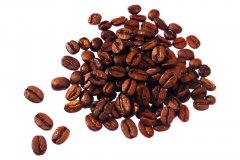
Natural Process Coffee: Ethiopian Sun-Dried Flavors
Learn how Ethiopian sun-dried coffees like those from Sidamo, Guji, and Yirgacheffe develop rich fruit flavors through the traditional natural process.

Washed vs Semi-Washed Coffee Processing Methods
Semi-washed coffee lies between washed and natural processes—no fermentation tank, more stable than dry process. Brazil’s Cerrado uses this hybrid method.

Washed Process Pacamara from El Salvador's Ataisi Estate
Discover the bright, clean profile of a micro-lot washed Pacamara from El Salvador’s Ataisi Estate, processed with precision for crisp acidity.
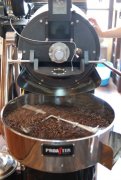
How Roast Levels Affect Coffee from Different Origins
Explore how light to dark roasts impact flavor and why roasters tailor roast profiles for specific coffee origins.
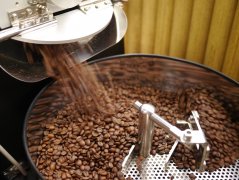
Understanding Coffee Roast Levels: Light to Dark
Learn how coffee roast levels—from light to dark—affect flavor, acidity, and usage. Explore 8 roast stages with expert guidance.

How to Steam Milk for Coffee: Best Latte Art Milk Foam Technique
Learn the exact steps to steam milk for perfect microfoam, with target temperatures and foam texture tips for latte art.
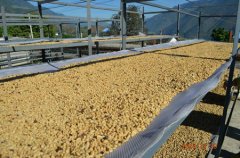
Natural Coffee Processing: The Sun-Dried Method Explained
Learn how sun-drying—coffee’s oldest processing method—works, how long it takes, and why it boosts fruitiness and body.
What Is Washed Coffee Processing?
Washed coffee processing boosts brightness and clarity. Learn how water-washed beans are made, why they taste so clean, and their environmental cost.
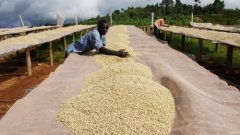
What Is Brazilian Semi-Washed Coffee Processing?
Brazil pioneered semi-washed (pulped natural) processing in the 1990s to boost cup quality. Here’s how it works and why it changed the game.

What Is Mechanical Semi-Washed Coffee Processing?
Mechanical semi-washed processing removes fruit pulp and mucilage with minimal water. Learn how it works, where it’s used, and why it matters.

What Is Honey Process Coffee and How Is It Done
Learn how honey processed coffee is made, why it’s popular in Central America, and how leaving mucilage on beans affects flavor.
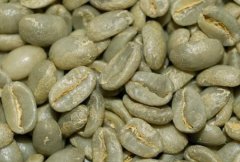
How Long to Roast Mandheling Coffee Beans
Mandheling beans often roast unevenly and risk scorching early. Learn the ideal roast time, techniques, and why they behave differently.
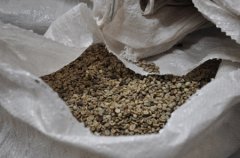
How to Roast Panamanian Coffee Beans to First Crack
To roast Panamanian coffee well, reach dense first crack and drop just before second. Avoid over-roasting past the first crack phase.

How to Brew Blue Mountain Coffee with a Siphon
Learn the best way to brew Jamaica Blue Mountain coffee using a siphon (vacuum pot) with precise water temps, ratios, and timing.

Why Good Latte Art Doesn't Mean Good Coffee
A skilled barista explains why perfect latte art doesn't guarantee great taste — and what actually matters more in espresso drinks.

Fresh Coffee Beans vs Instant Coffee: Flavor Differences Explained
Discover how fresh roasted beans outclass instant coffee in taste and nutrition, with tips on proper bean storage for peak flavor.

How Acidic Is Coffee Really? Understanding Coffee Acidity
Coffee acidity is often misunderstood — find out why some coffees taste sharp and others don’t, and what controls it.