
Coffee Technology
Latest articles, industry insights and brewing guides
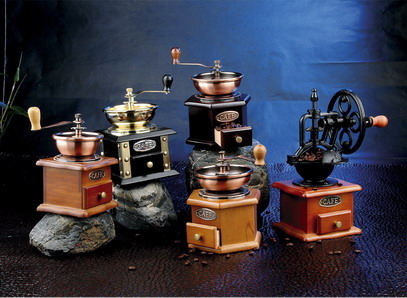
How Grinder Type and Grind Consistency Affect Coffee Flavor
Learn how parallel and conical burr grinders impact coffee flavor, extraction, and shot quality—with key insights on fines, heat, and uniformity.

Guatemala Huehuetenango: Antonio Estate Mundo Novo
Discover the Antonio Estate in Guatemala’s Huehuetenango region, growing high-scoring Mundo Novo beans with balanced sweetness and acidity.

Four Key Techniques for Practicing Latte Art
Master the essentials of latte art with four core techniques: height, position, flow, and control for better pour stability.

What Does the 90+ Coffee Label Actually Mean?
Learn what the 90+ label on specialty coffee means, including its scoring, processing methods, and rare grade levels like L95 and L195.
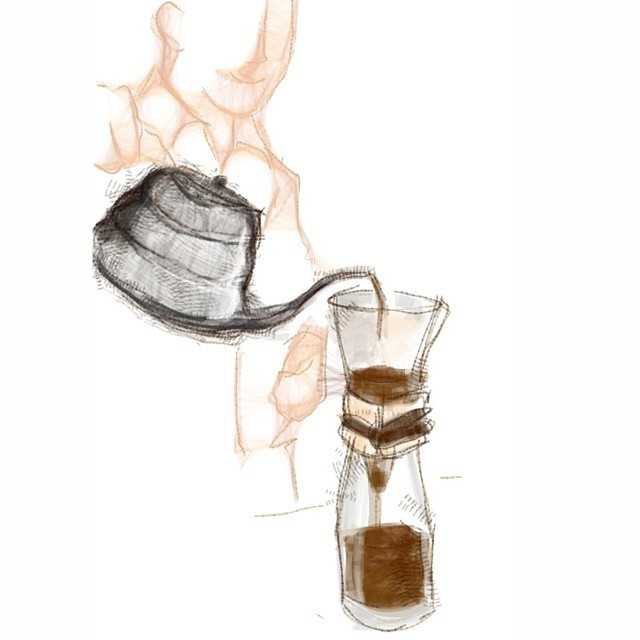
How to Bloom Coffee Properly in Pour-Over Brewing
Learn why blooming your coffee grounds before pouring enhances extraction and how to do it right for better pour-over results.
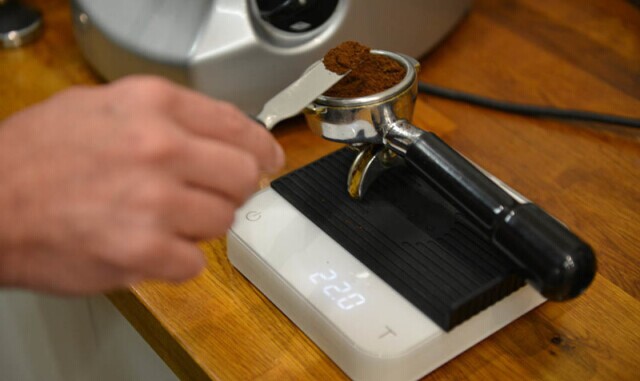
How to Properly Adjust an Espresso Grinder
Learn how to set up and calibrate your espresso grinder for consistent shots using fresh beans, with key numbers and steps for home or shop use.

What Is Mocha Coffee? Origin, Myth, and Meaning
Mocha refers to Yemen-grown coffee, port-exported beans, or chocolate-flavored drinks. Only Yemeni beans earn the true title.
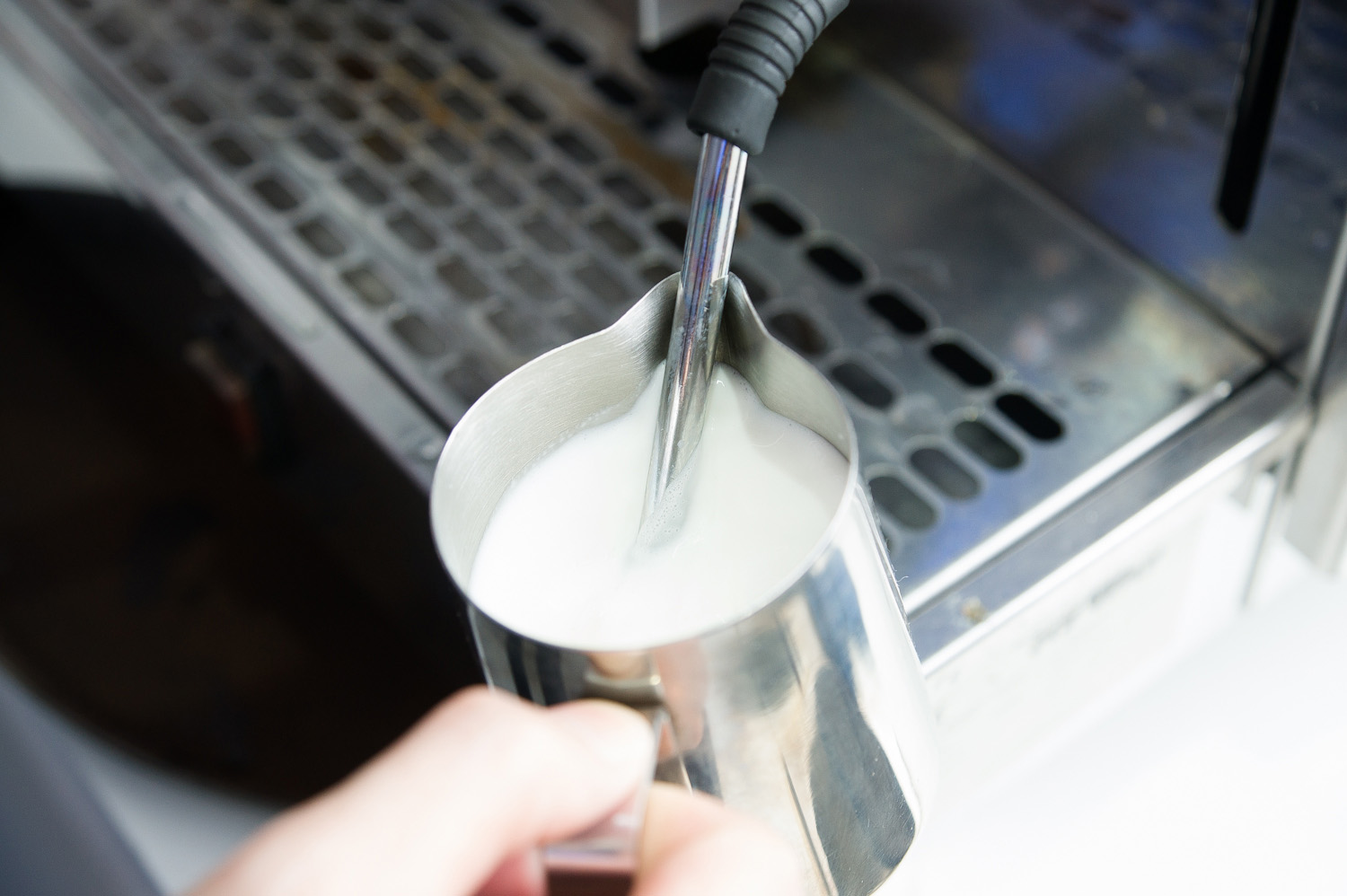
How to Steam Milk for Perfect Espresso Drinks
Learn how to steam milk for café-quality foam with the right temperature, fat content, and technique for silky microfoam and great latte art.

What Is Espresso Crema and How Does It Really Form?
Espresso crema is not just oil foam — it’s a mix of CO2 bubbles, proteins, and melanoidins. Here’s how pressure, roast, and freshness shape it.

How Coffee Beans Are Processed: The 3 Main Methods
Learn how natural, washed, and honey processes shape your coffee’s flavor. Discover the pros, cons, and steps behind each method.

How to Use an AeroPress: Brewing Tips & Filter Choice
Find out why paper filters make better AeroPress coffee, how to adjust grind and dose, and get the best flavor from your brew.
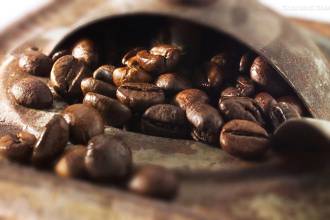
Hawaiian Coffee Processed with Cola: What Happens?
A Hawaiian farm fermented coffee beans using Pepsi during processing. Here’s how it tastes, looks, and why it’s unique.
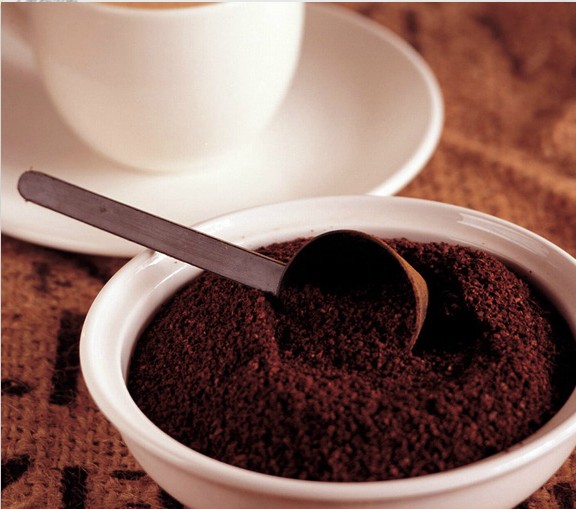
How to Brew Light Roast Coffee with the Right Brew Ratio
To brew great light roast coffee, start with a 1:20 brew ratio, use 92–96°C water, and grind slightly coarser than usual for balanced extraction.

How Grind Size, Extraction Rate, and Concentration Affect Coffee Quality
Learn how grind size, extraction rate, and TDS concentration work together to shape your coffee’s flavor—backed by numbers and science.
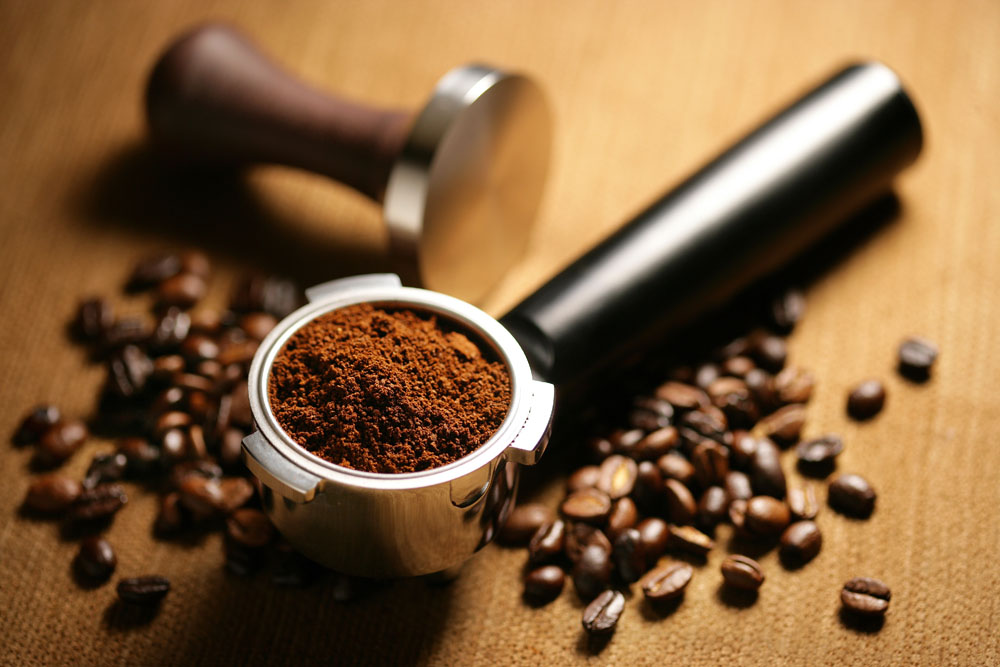
How Temperature Balance Affects Coffee Quality
Learn how PID control, water temp, and coffee grounds heat affect espresso temperature — and why consistency matters more than precision.
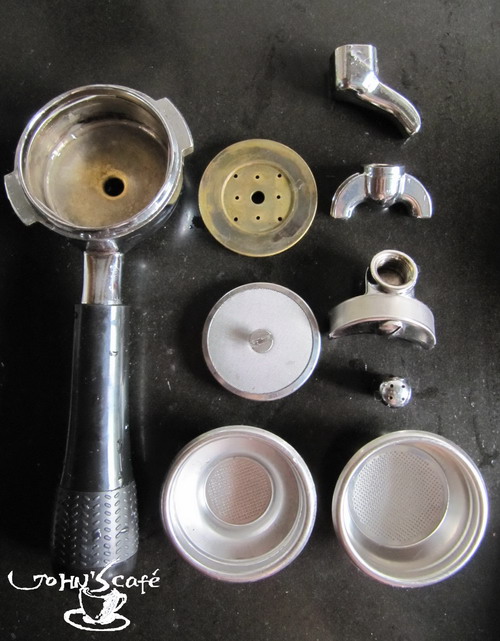
How can the coffee machine be cleaned in order to be better maintained?
[daily cleaning] every time you get rid of the foam: open the steam valve for 2 seconds to spray the milk accumulated in the steam pipe. Clean the nozzle and steam pipe with a damp cloth to prevent the accumulation of milk dirt. Daily maintenance and cleaning process: 1. Coffee machine head / handle cleaning: (1) after each coffee is extracted, remove the coffee handle and pour out the coffee grounds, turn on the cleaning switch and embed.

Espresso Standards: Time, Volume, and Extraction Rules
Learn the espresso 'golden rule'—25–30 seconds for 25–30ml extraction—and why it matters, along with regional standards and how to adjust for flavor.
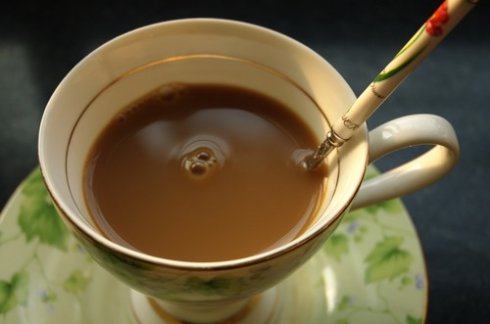
How to Brew Better Coffee at Home: 6 Common Mistakes
Learn the key factors that affect your home coffee—water type, temperature, ratio, filter choice, and brewing method—to avoid common mistakes.
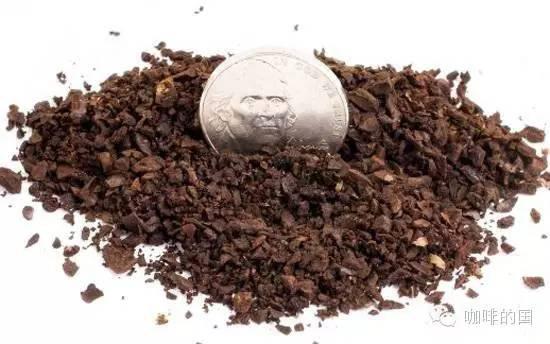
How to Identify 7 Coffee Grind Sizes by Sight
See 7 distinct coffee grind sizes with photos, from extra coarse to extra fine, and learn which brew methods each suits best.
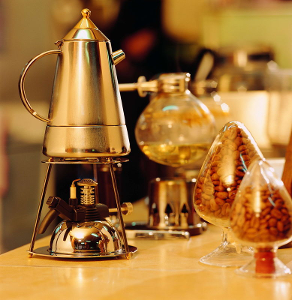
How to Use and Clean a Moka Pot Correctly
Learn the proper steps to brew coffee with a moka pot, including water levels, grind size, heating, and essential cleaning tips to maintain flavor.