
Coffee Technology
Latest articles, industry insights and brewing guides

The Hidden Health Risks of Instant Coffee You Should Know
Instant coffee may contain higher caffeine, lower-quality beans, and artificial additives. Learn why it’s less healthy than freshly brewed specialty coffee.

How to Turn an AeroPress into a DIY Cold Drip Coffee Maker
Learn how to turn your AeroPress into a cold drip coffee maker for a refreshing summer brew using just ice and time.

Why Bone China Coffee Cups Enhance Your Brew
Bone china coffee cups offer superior insulation, elegant translucency, and refined strength. Discover how 40%+ bone ash makes them ideal for coffee.

How to Brew Coffee with a Clever Dripper: A Smart Cup Guide
Learn how to use a Clever Coffee Dripper to make consistent, full-bodied pour-over coffee with controlled extraction time and no guesswork.

How to Brew Great Coffee with a French Press
Learn the optimal grind, water temp, ratio, and time to get rich, full-flavored coffee from your French press without bitterness or grit.

How Coffee Beans Are Graded: 3 Main Methods Explained
Learn how coffee producing countries grade green beans by altitude, bean size, and defect rates — with exact metrics and regional examples.
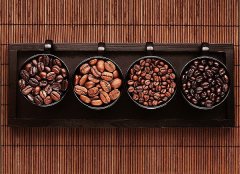
Top Specialty Coffee Estates Growing Geisha and More
Explore the world’s most renowned coffee estates, including Panama’s Geisha-producing La Esmeralda and Costa Rica’s famed La Minita.
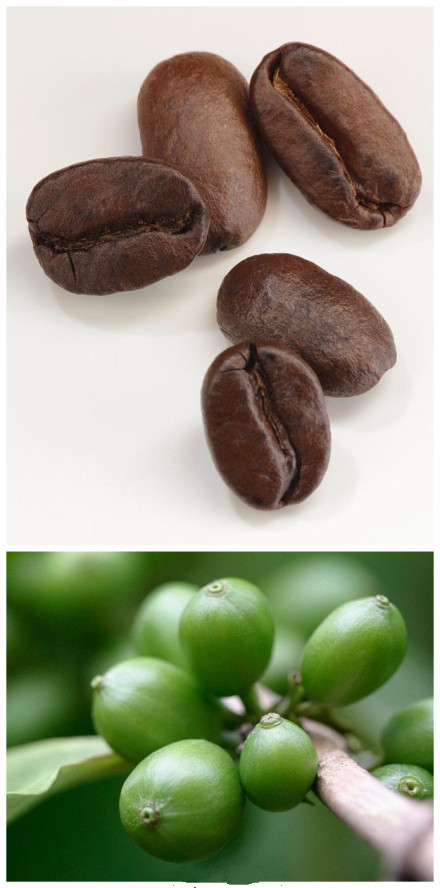
When Is Coffee Fruit Ready to Harvest?
Coffee cherries are ready for harvest 3–4 years after planting, usually turning bright red between June–August for arabica and September–October for robusta.

How to Taste Coffee: Focus on Smell and Flavor
Smell plays as big a role as taste in coffee tasting. Learn how to properly assess aroma, flavor, and temperature for the best cup.

How to Make Professional-Quality Coffee at Home Without Expensive Gear
You don't need a $5,000 machine to brew like a barista. Learn how to get café-quality coffee at home with capsules or budget-friendly methods.

Eight Key Principles for Judging Coffee in Cupping
Learn the eight essential criteria used by professional cuppers to evaluate specialty coffee, from cleanliness to complexity and coordination.

Why Do We Roast Coffee Beans?
Roasting transforms raw green coffee into aromatic, flavorful beans. Discover how heat unlocks 80% of coffee’s taste and defines its profile.
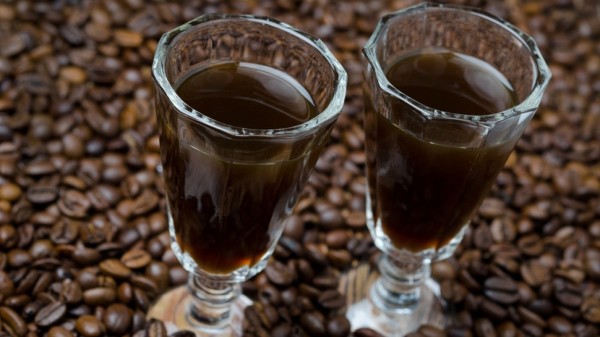
What Are the Types of Single Origin Coffee?
Explore 11 key single origin coffee types from around the world, each with distinct flavor profiles and brewing reputations.

What Is Latte Art and How Is It Made?
Latte art combines espresso and steamed milk to create designs on the surface. Learn the techniques, history, and what affects latte art success.

How Coffee Roasters Work: DISCOVERY Explained
Explore the mechanics behind specialty coffee roasters, including burner types, drum design, and exhaust systems that shape your roast.

Coffee Roast Terms: Sweetness, Bitterness, and Roast Flavors Explained
Learn what sweetness, pungency, bitterness, and baked notes mean in coffee roasting. Understand how depth affects flavor development in specialty coffee.

Roast Vocabulary Tied to Coffee Processing Methods
Learn how post-harvest processing—like washing, fermentation, and drying—affects coffee flavor. Discover key roast-related terms for defects and desired traits.

The Origins of Coffee Roast Names Explained
Discover where common coffee roast names like French, Italian, and Espresso come from, and how color measurements now help define roast levels objectively.
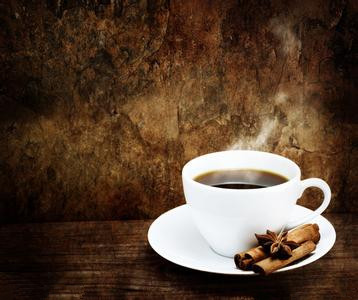
What Is the Best Coffee Roast Profile?
There’s no single best coffee roast. The 'ideal' roast depends on culture, taste, and sales—but we break down objective flaws and flavor ranges.

Why Freshly Roasted Coffee Beans Aren’t Ready to Drink Right Away
Freshly roasted coffee beans need time to degas and stabilize. Most benefit from a rest period—called 'resting' or 'aging'—before brewing for best flavor.