
Coffee Technology
Latest articles, industry insights and brewing guides
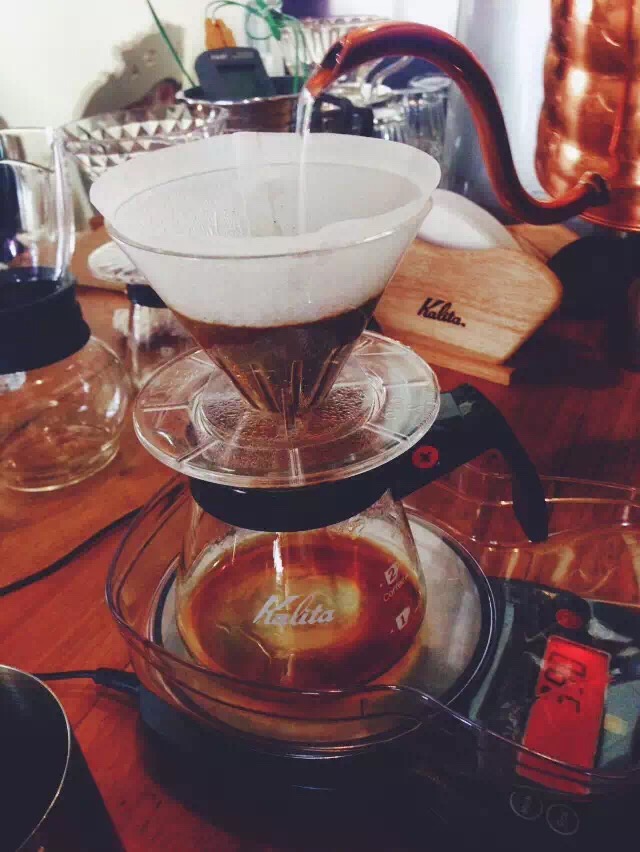
Coffee Grinding and Brewing Basics for Beginners
Learn the right grind size for your brew method, ideal water temp, and how to avoid common mistakes for better home coffee.
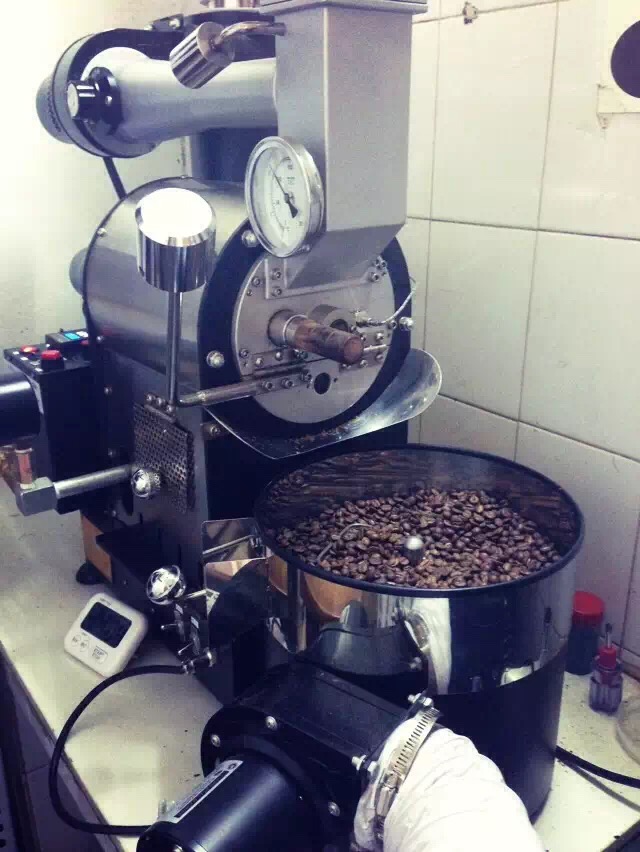
How Coffee Roasting Unlocks the World’s Richest Aromas
Discover how professional roasting transforms raw coffee beans from earthy and harsh into intensely aromatic, flavorful beans. Learn the science behind it.
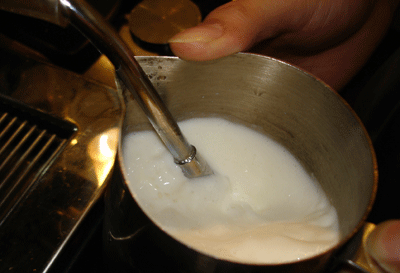
Why Coffee Milk Must Be Chilled and How to Steam It Right
Chilled milk steams better for smoother microfoam. Learn the ideal temp, technique, and why 60–70°C is key for latte art.
Why Your Drip Coffee Tastes Weak – And How to Fix It
Weak drip coffee often comes down to grind size, brew ratio, or stale grounds. Here’s how to fix each issue step by step.
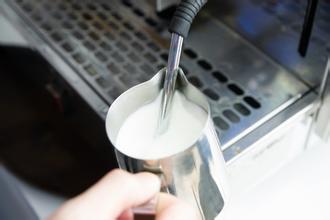
What’s the Best Milk Temperature for Steaming Coffee?
The ideal milk temperature for steaming is 60–70°C. Below 60°C, flavor suffers; above 70°C, milk quality breaks down. Learn to measure it by hand.
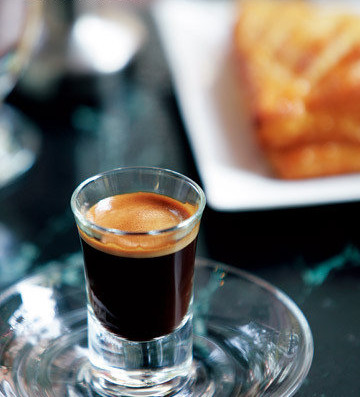
What Does Over-Extracted Espresso Taste Like?
Over-extracted espresso tastes bitter, flat, and burnt due to excessive dissolved solids. Learn the key flavor flaws and how to spot them.
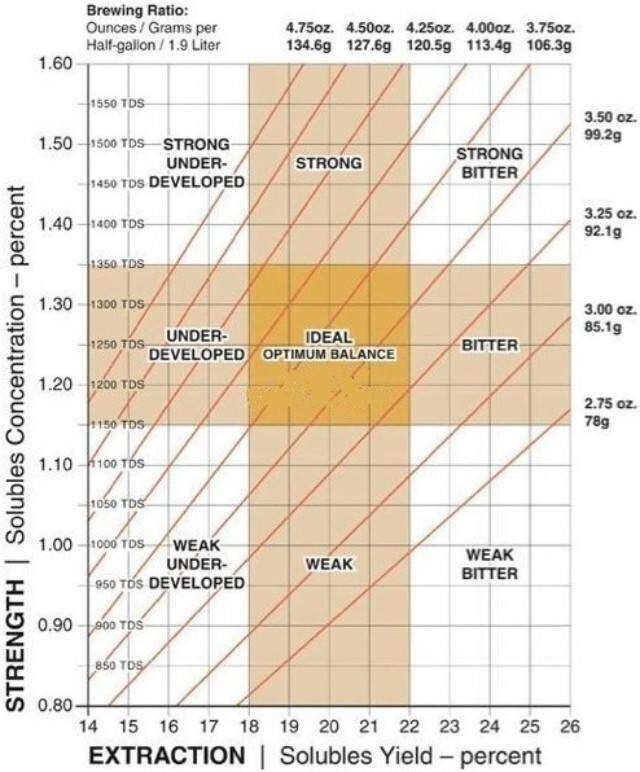
SCAA Gold Cup Coffee: Ideal Brew Ratio Explained
Learn the SCAA’s Gold Cup standard: 18–22% extraction, 1.1–1.3% TDS, and a 1:17 brew ratio for balanced drip coffee.
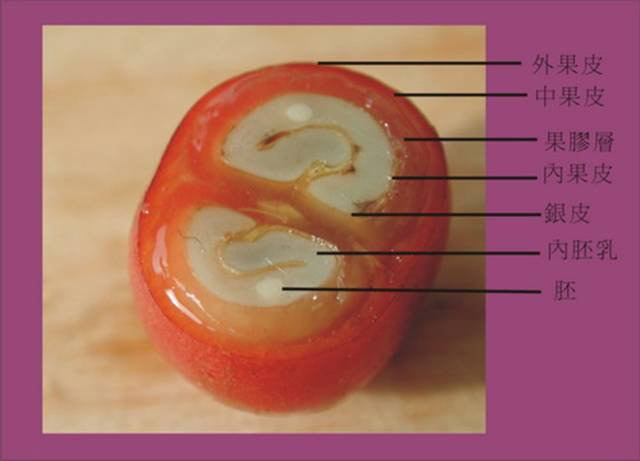
How Specialty Coffee Beans Are Processed: Natural, Washed, and Honey Methods
Learn how green coffee beans are produced through natural, washed, and honey processing — the key steps that shape flavor before roasting.
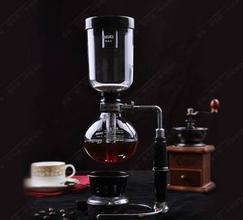
Why Wipe the Lower Siphon Chamber with a Wet Cloth?
Wiping the lower chamber of a siphon brewer with a wet cloth stabilizes extraction by controlling cooling rates, ensuring consistent flavor across brews.
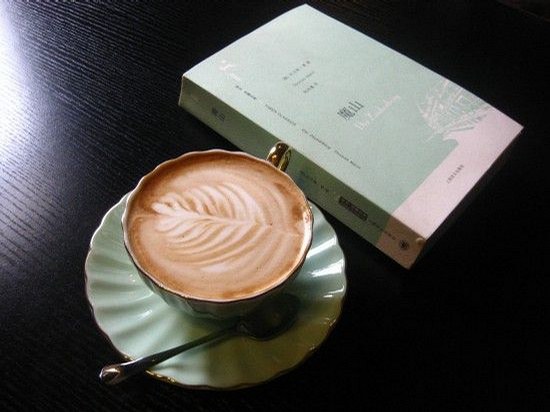
What Is Channeling in Coffee and How to Avoid It
Channeling in coffee causes uneven extraction, leading to sour or bitter cups. Learn where it happens and how to fix it in pour-over and espresso.
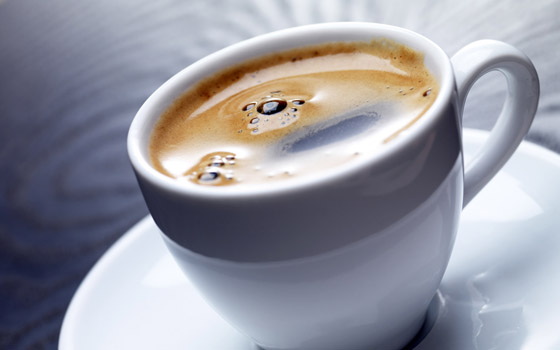
Why Your Espresso Has Bubbles and What It Means
Freshly roasted beans and improper pouring can create bubbles in espresso crema, affecting both taste and appearance. Here’s what causes it.
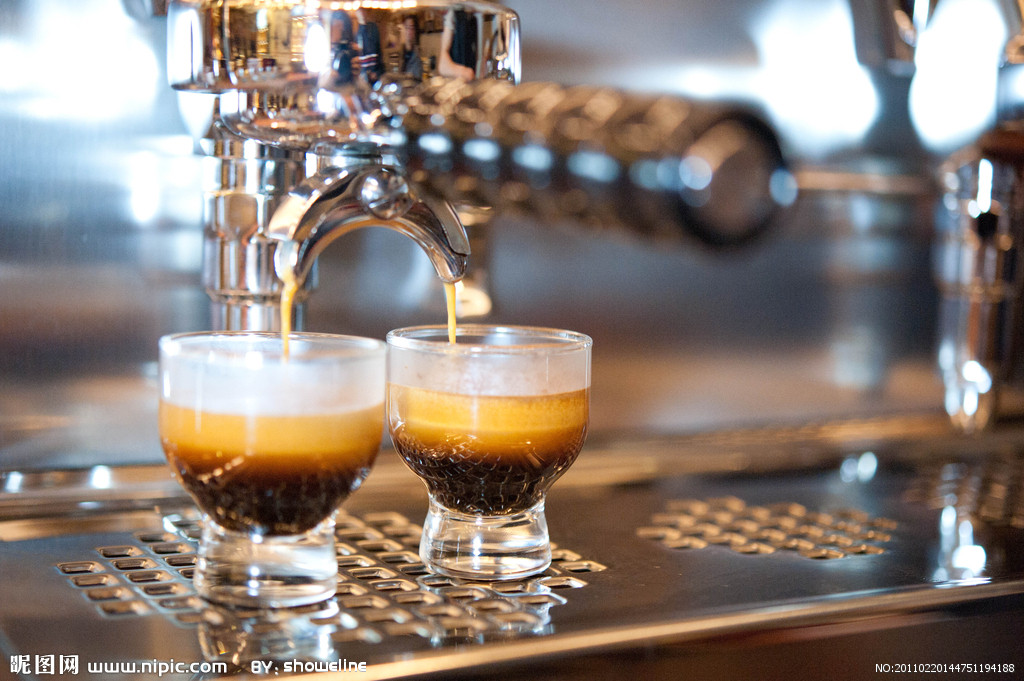
Why Your Double Espresso Streams Unevenly and What It Means
Uneven flow in double espresso shots often stems from uneven tamping or an unlevel machine. Here’s how to spot and fix the issue.
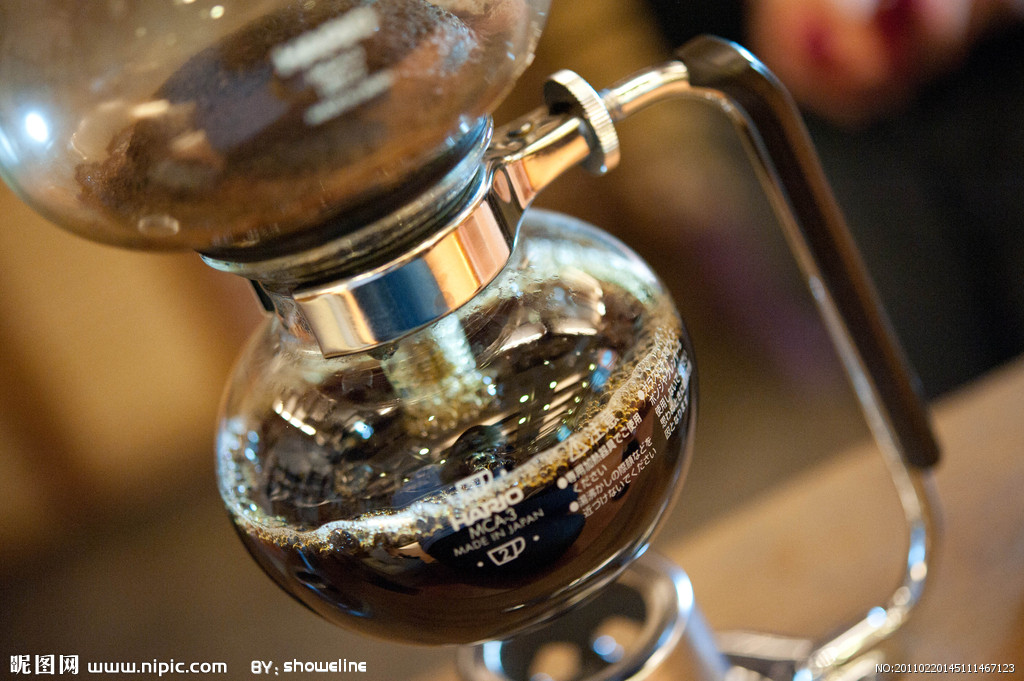
Why Your Siphon Coffee Top Chamber Won’t Heat Up
Your siphon’s top chamber isn’t reaching the right brew temp? Here’s why alcohol lamps and low water fail—and how to fix it.
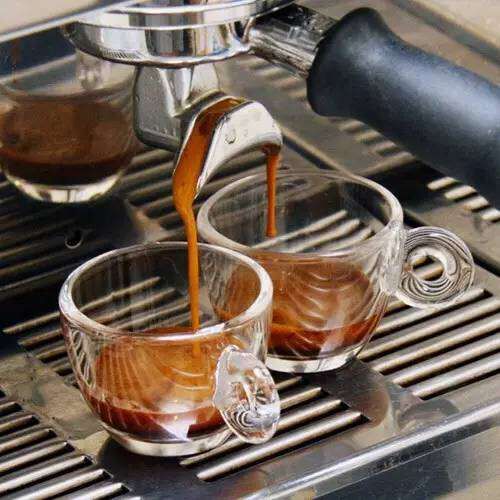
Why Is My Espresso Flow Slow? How to Fix It
Slow espresso flow is usually caused by too-fine grind, overfilled portafilter, or overly fresh beans. Here’s how to adjust and fix it.
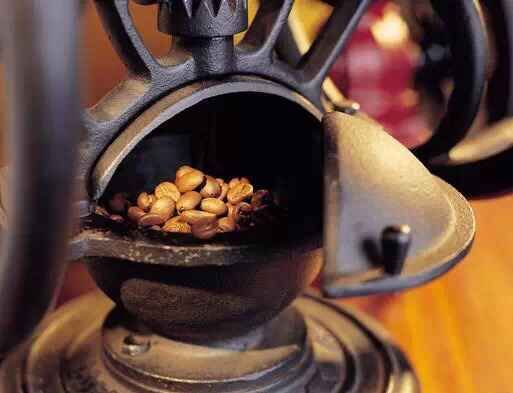
Choosing the Right Grind Size for Your Coffee Brewer
Find out which grind size works best for your brewing method—from French press to espresso—based on tested grind settings and extraction principles.
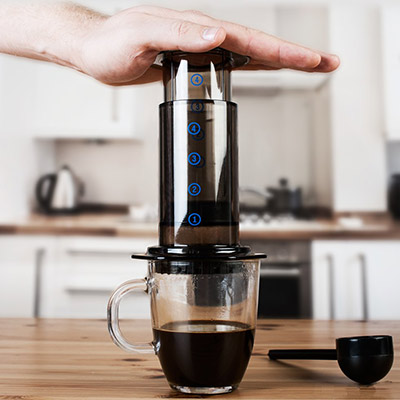
Why Use the Inverted Method for AeroPress Brewing
Learn why the inverted (reverse) AeroPress method improves extraction stability and avoids early dripping issues common in standard brewing.
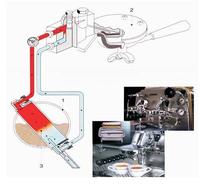
The Origins and Evolution of the Faema Commercial Espresso Machine
Learn how Faema revolutionized commercial espresso machines, from the 1945 origins to the iconic E61 and beyond.
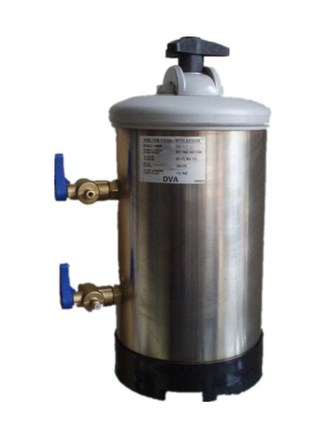
How to Regenerate Your Coffee Machine’s Water Softener
Learn how to properly regenerate your coffee machine’s water softener in under an hour using salt. Step-by-step instructions for better brewing water.

How to Identify Good Coffee Powder & Grind Principles
Learn how to judge coffee powder quality by smell, color, and taste, and understand the essentials of proper coffee grinding methods and timing.
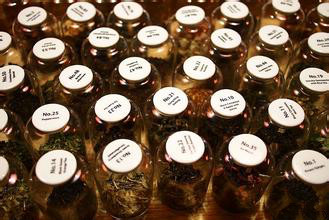
The 36 Aromas of Coffee: Understanding the Coffee Taster’s Flavor Kit
Learn the 36 aromas in the Coffee Taster’s Flavor Wheel kit, grouped into enzyme, sugar browning, dry distillation, and taint profiles with sensory details.