
Specialty Coffee Beans
Latest articles, industry insights and brewing guides
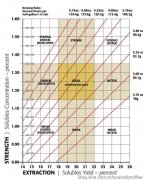
How to Calculate the Ideal Pour-Over Coffee Brew Ratio
Learn the standard coffee-to-water ratios for pour-over brewing, including the golden cup range of 1:12 to 1:15 and how to measure TDS and extraction.
Eight Key Principles for Coffee Cupping and Tasting
Learn the eight essential criteria used by pros to evaluate specialty coffee in cupping sessions—from cleanliness to complexity.
Why Arabica Coffee Tastes More Acidic Than Robusta
Arabica coffee naturally has higher acidity than Robusta. Water processing, light roasting, high altitude, and shorter brew time also boost acidity levels.
Common Coffee Types and Their English Names
Find the English names for popular coffee types like Colombian, Jamaican Blue Mountain, and Italian espresso, plus flavored and iced variations.
18 Aromas You Can Smell in Specialty Coffee
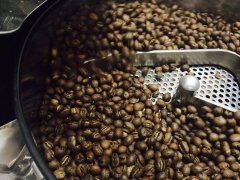
Coffee aroma includes 18 distinct profiles—from chocolate and caramel to rubber and tobacco. Here’s how to identify them and what affects taste.
Espresso Blends: Pre-Roast or Post-Roast Blending?
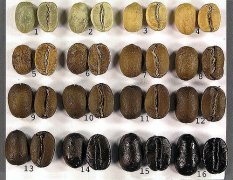
Learn whether blending coffee beans before or after roasting makes better espresso. Explore the pros, cons, and best practices for blending espresso.

What Nutrients Are Actually in Coffee Beans?
Find out the exact nutritional content of 100g of coffee beans, including protein, fat, caffeine, and minerals like calcium and iron.
Specialty Coffee Cupping Terms: What They Actually Mean
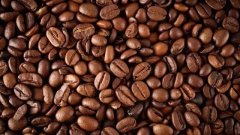
Learn the precise language of specialty coffee tasting—flavor, acidity, body, aroma, and more—with definitions used by pro cuppers.
What Defines Specialty Coffee? Flavor & Quality Standards
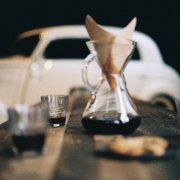
Specialty coffee scores 80+ in cupping and is traceable to farm level. Learn how it differs from commercial beans and what makes it truly premium.
Coffee Origins and Flavor Profiles by Region
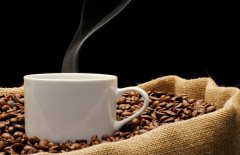
Explore how coffee flavors vary by origin, from Brazilian Santos to Ethiopian Yirgacheffe, with key regional tasting notes and processing methods.
5 Common Coffee Misconceptions Every Beginner Should Avoid
Coffee isn’t bitter or expensive—learn the truth behind 5 beginner myths, and how to start brewing great coffee easily.

Why Yirgacheffe Coffee Is Ethiopia’s Most Famous Bean
Yirgacheffe coffee’s bright citrus and floral profile made it the benchmark for Ethiopia’s finest beans. Here’s why this small town defines specialty taste.
How to Make Coffee Cookies: A Festive Baking Idea
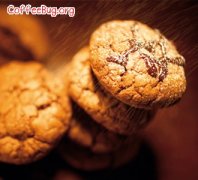
Learn how to bake 40–45 coffee-flavored cookies using instant coffee, cocoa, and chocolate chunks for a unique holiday treat.
How to Make an Italian-Style Latte Macchiato
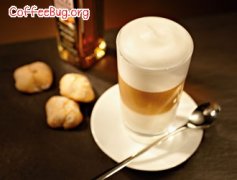
Learn how to create a classic Italian latte macchiato with its signature three layers using cold milk, timing, and proper espresso temperature.

How Water Quality Affects Your Coffee’s Flavor
The taste of your coffee depends heavily on water quality. Learn why mineral balance, hardness, and freshness matter—and how to fix common issues.

What’s the Best Water Temperature for Brewing Coffee?
For optimal extraction, coffee should be brewed below boiling point—between 90°C and 96°C. Too hot leads to bitterness, too cool causes sourness.
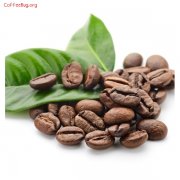
How to Store Roasted Coffee Beans Properly
Roasted coffee beans stay fresh for about two weeks after grinding. Keep them sealed, away from air, light, and heat to preserve aroma.

4 Common Mistakes That Ruin Your Coffee Experience
Avoid drinking coffee too slowly, using spoons wrong, and adding milk or sugar too soon. Here’s how to enjoy coffee the right way.
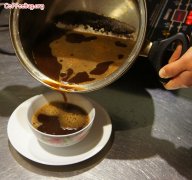
Three Easy Ways to Make Coffee at Home
No fancy gear? No problem. Here’s how to brew coffee at home using just a pot, a French press, or a drip bag.
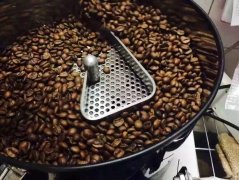
Why Freshly Roasted Coffee Needs Time to Rest
Newly roasted coffee beans need rest — known as degassing or ‘resting’ — before brewing. Most benefit after a few hours to a week.