
Specialty Coffee Beans
Latest articles, industry insights and brewing guides

Introduction to the method of describing the Flavor of G _ 1 Coffee beans washed with Kochere
Yega Xuefei Kochere washed G1 coffee beans flavor description treatment method variety introduction of ripe beans, this is more obvious, the sun G3 white beans are very many, it can be concluded that there are more immature beans in raw beans, coffee fruit harvest is very extensive, mature and immature coffee fruits are mixed together. While the cooked beans in the G1 sun are very uniform, the white beans are almost negligible, and the farmers pick them.

Katim Coffee Bean Flavor description, taste characteristics, grinding degree variety manor introduction
Katim coffee bean flavor description, grinding degree variety introduction Katim, this is really hard to say, my own expression ability is limited, to use simple words to introduce is messy but heavy taste. All of the above depends on my personal feeling of drinking coffee. I don't sell coffee beans or open a coffee shop. I just like to drink and think about it by myself, hehe, not on my behalf.

Description and treatment of price and flavor of geisha coffee in jadeite manor of Panama
Panamanian Jade Manor geisha Coffee Price Flavor description processing method Flower Butterfly introduction [flavor description]: oolong tea, peach, honey, fresh and comfortable, bright and balanced, strong hierarchical aroma, the whole aroma is wrapped with caramel sweetness, the tip of the tongue feels sour at the entrance, but it is mild and round in the mouth, and the fruit is sweet and sweet, like swallowing.

Introduction to the characteristics and Flavor description of Burundian Coffee Bean
The Burundian coffee bean flavor description method introduces the confusion of Burundian coffee for a long time, with a large number of raw beans mixed with the old and new, making this coffee unsuitable for grading. This coffee is rough but mild, and has characteristics similar to Kenyan coffee. Sweet, fruity with a slightly spicy aftertaste: citrus acid, lime

Introduction of variety characteristics and grinding degree of El Salvador Pacamara coffee bean flavor description method
El Salvador Pacamara coffee bean flavor description treatment method bourbon is already the largest variety in the country, the national planting rate is as high as 60%, the fruit of Saguo bourbon has four colors of red and yellow orange with a small amount of pink bourbon. Pacamara, which belongs to large granule, is a new variety cultivated by Pacas and elephant bean. Pacamara originated in sa, but its output is much less than that of Bourbon. Sa Guoca

Introduction to Grinding Manor by Variety treatment method in Coffee production area in Kenya
Coffee producing areas in Kenya say this is the earliest grading method, which is still in use in many parts of Brazil. The method of identification is to randomly take 300 grams of samples and put them on black paper, because black paper can best avoid reflection. Then, examined carefully by the professional appraiser, find out the defective beans in the sample, and accumulate different scores according to the types of defects. For example, one black bean counts as one point.

Introduction to the quality characteristics of Yejiaxuefei Coffee Flavor description
Today, Ethiopia is an important coffee producer, with about 12 million people engaged in coffee production, and is a major exporter of Arabica coffee beans in Africa. The high-quality coffee here is of excellent quality and is worth looking for. Various ways of growing coffee can be found in Ethiopia: from patches of wild coffee trees

Introduction to the flavor and taste characteristics of G1 Guji coffee beans in Ethiopia
Ethiopian coffee bean Shakisso/Shakiso, located in the Guji producing area of Sidamo, is one of the micro-producing areas with regional characteristics in Sidamo. The coffee in this region is quite unique, and the coffee produced has often attracted the attention of the market. The original meaning of Ninety Plus's legendary nekisse comes from Nectar from sha.

Flavor description of Colombian Ramon Coffee Bean introduction to the characteristics of varieties and the degree of taste grinding
Colombia Ramon Coffee Bean is located in the northwest of South America. Colombia is a beautiful country with a long history. Indians have lived on this land since ancient times. It was colonized by Spain in 1531 and gained independence in 1819. It was renamed in 1886 to commemorate Columbus, the discoverer of the American continent. In 1808, a priest came from the French

The grindability characteristics of Burundian Coffee Bean Flavor Cat poop introduction to the method of taste treatment in producing areas
Burundian coffee beans the chaos of Burundian coffee has been going on for a long time, with a large number of old and new raw beans mixed together, making this coffee unsuitable for grading. This coffee is rough but mild, and has characteristics similar to Kenyan coffee. The flavor is sweet and fruity, with a slightly spicy finish. Dry aroma (1-5): not suitable for wet aroma (1-5)

Introduction to the Flavor description of Coffee beans in Witch Manor of Panama
With the aura of invincibility and invincibility, the geisha of the Emerald Manor has become a dream product of the coffee industry. Its flower fragrance is like fireworks, blooming in the mouth in the process of drinking, with juice like lemon, citrus and strawberry, making it like juice rather than coffee. Geisha coffee fan Jeff said, what kind of coffee can be as invincible as a geisha? Drink the Panamanian Emerald Manor every year

Introduction to the general characteristics of Kenyan coffee beans, flavor description, taste and manor quality
Aromatic, full-bodied, with fruit flavor, taste rich and perfect. Kenyan coffee has a wonderful fruit flavor, tastes like BlackBerry and grapefruit, and is a favorite of many coffee gluttons. This coffee has an excellent medium purity, crisp and refreshing taste. It has a fresh flavor and is most suitable for drinking iced coffee in summer. When tasting this coffee, if served with pomelo

Introduction to the flavor description method of medium-and deep-roasted coffee beans in Costa Rica
Costa Rican boutique coffee beans are summarized according to Nordic Approch, Seattle Coffee and Origin Coffee, a raw bean company run by the big name Tim: yellow honey: about 40% of the pectin is removed; the drying method requires the most direct heat absorption, maximum light drying, and reaches a stable moisture content for about 8 days. Red honey: about 25%

Characteristics, flavor and taste of Burundian coffee beans introduction to Manor quality Brand
Burundi Coffee Bean Flavor description method Burundian (Burundian) has the most diverse and successful coffee industry in the world, and has its own characteristics. Coffee in this country was introduced by Belgian colonists in 1930 and is now grown only on small farms. Unfortunately, many of these farms are located on the border with war-torn Rwanda, which gives coffee production

Brazilian Coffee Bean Location Conditions Brand Characteristics Flavor Description Grindness Treatment Introduction
Brazilian coffee bean flavor description includes all coffee beans grown in Brazil, except Sandos, Brazilian beans are mostly cheap coffee. Mixed coffee beans that can be used for mass production, mostly for heavy roasting. The main ingredient of instant coffee is Brazilian coffee beans. When the coffee bean germ is very fresh, artificially refined, let it naturally dry in the shade room for about 60-70 days, so that the pulp

Introduction to the method of describing the taste and flavor of the characteristic varieties of Hope Manor Coffee in Colombia
Columbia boutique coffee beans Santa Rita Manor is located in Colombia's Antioquia province in a micro-producing area adjacent to the Andes. This high-quality coffee is made together by nine nearby farms. The nine farms still treat the coffee in the traditional way: picking the coffee cherries by hand, then washing the coffee fruits with traditional water, and then the processed coffee.

Starbucks Uganda Coffee Bean Flavor Description Processing Variety Features Grind Region Introduction
Coffee was the first product to be labeled Fair Trade, and farmers who grow coffee have benefited from it. Chilean FLO compliant producers sold coffee beans last year for $1.26 a pound, compared with 47.35 cents a pound on the New York Futures Market. However, FLO does not directly contribute to product acquisitions

The flavor and taste characteristics of Yega Chefe in the sun introduction of Yega Xuefei boutique coffee beans
The coffee trees of Yejasuefi were planted by monks in Europe (a bit like Belgian monks growing wheat to brew beer) and were later transferred to farmers or co-operatives. Yejassefi is actually constructed by surrounding coffee communities or cooperatives, including Edido Idido, Hafusha Harfusa and Hama Hama near Fog Valley Misty valley.

Grinding characteristics of Ethiopian Yega Xuefei Kochere washed G1 Coffee Flavor description method
Compared with the traditional sun-treated Harald area, sun exposure is not common. As the first washing plant in Ethiopia, coffee drinkers are more familiar with Yejia, which is famous for its elegant lemon and citrus style. The coffee flavor treated by water washing is not easy to have wild flavor and is pure.
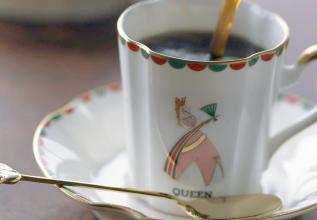
Katim Coffee Bean Flavor description method introduction to the characteristics of varieties and the degree of taste grinding
The method of describing the flavor of Katim coffee beans introduces that the field management measures are suitable for the management of general small-grain coffee. Propagation method: adopt seed propagation, select 5-year-old fine mother tree, harvest fully mature, fruit shape is normal, full, size is basically the same, with two-seed fruit as seed, using sand bed to promote germination, plastic bag seedling. Selection of suitable forest land the annual average temperature is 19: 21 ℃