
Specialty Coffee Beans
Latest articles, industry insights and brewing guides
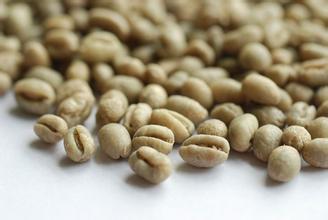
How to Identify Authentic Indonesian Kopi Luwak Beans
Learn how to spot real Indonesian kopi luwak, with details on sourcing, freshness, and roast profile from a trusted specialty importer.
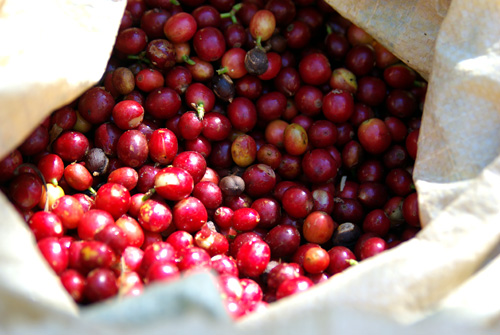
Brazilian Natural Bourbon Beans from South Minas
Learn why flatland-grown Brazilian coffee tastes different—then explore high-altitude natural Bourbon from South Minas with bold nut, chocolate, and caramel depth.
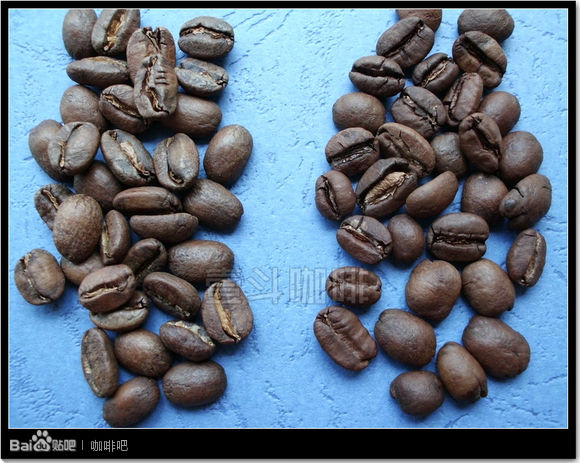
Panama Geisha vs Ethiopian Geisha: Washed vs Natural Process
Panama Geisha is washed with floral and sweet notes, while Ethiopian Geisha is natural with fruity, fermented flavors. Same variety, radically different results.
Ethiopian Heirloom Coffee: 90+ Levelup Flower Language Natural Sidamo
Explore the unique Ethiopian Sidamo coffee processed as natural by Ninetyplus, with vibrant floral and fruity notes. Learn why it stands out among Arabica beans.
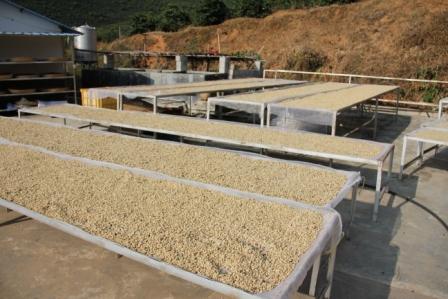
Guatemala Huehuetenango SHB Washed Coffee Beans
Explore Guatemala’s Huehuetenango highland beans: SHB grade, volcanic soil, bold acidity with flavors of nuts, chocolate, and tobacco.
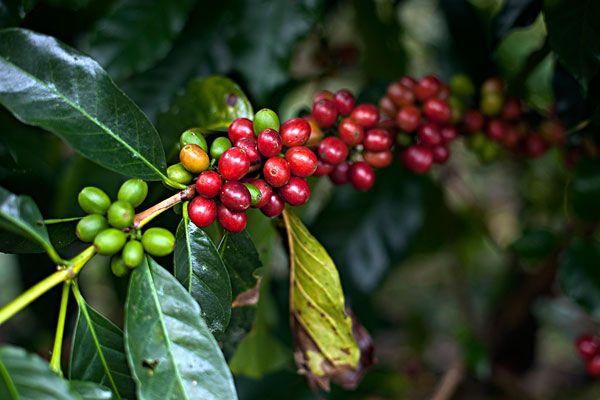
El Salvador Pacamara: What Makes This Microlot Special?
Discover the origins, flavors, and processing of El Salvador’s SHG Pacamara microlot from Finca Ataisi, grown at 1800m in Izalco.
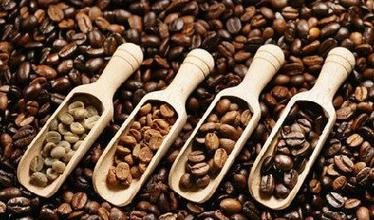
Honduran Washed Bourbon Coffee from San Juan Chuito No. 1
Explore the balanced, sweet profile of Honduras’ washed Bourbon from San Juan Chuito No. 1, grown at 1450–1550m with chocolate and milk notes.

What Is Turkish Coffee and Why Do People Love It?
Turkish coffee is a thick, spice-infused brew with a 700-year history. Its fine grounds are used for fortune-telling, cleaning wood, and even skincare.
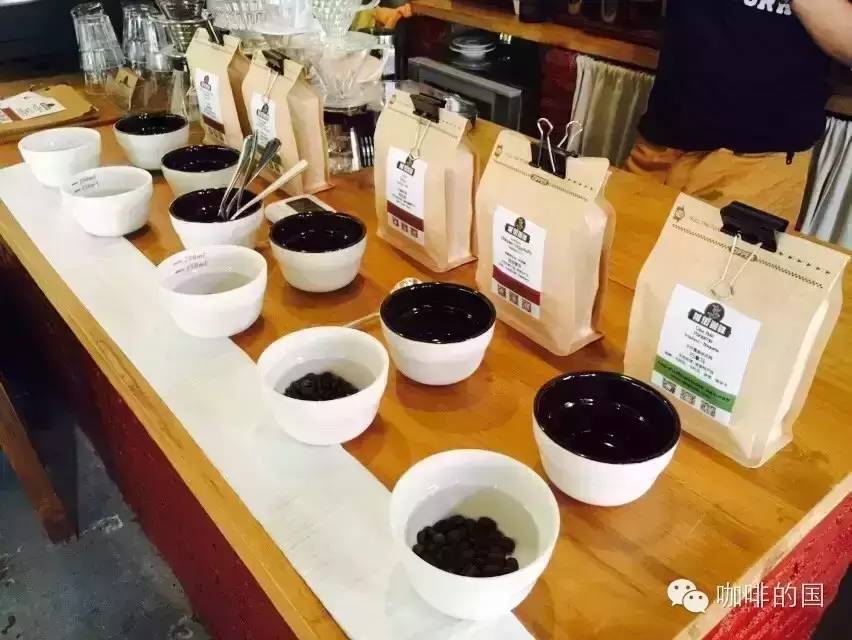
How to Evaluate Coffee Bean Quality Through Cupping
Learn how roasters and baristas assess coffee bean quality through standardized cupping methods, including dry and wet aromas, flavor clarity, and aftertaste.
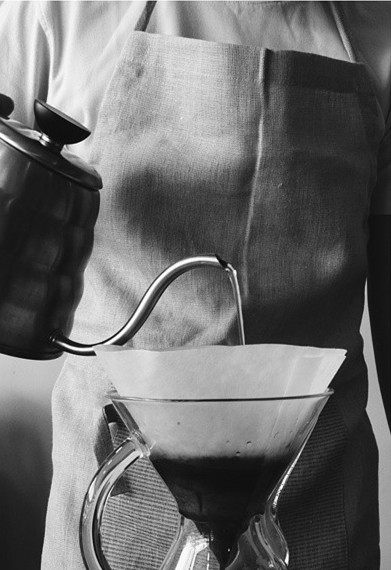
How Stirring and Timing Affect Pour-Over Coffee Flavor
An experiment compares stirred vs still immersion brewing over two minutes, showing how agitation and technique shift flavor balance in pour-over.

Kenya Coffee Processing, Grades & Why It’s Perfect for Iced Coffee
Learn how Kenyan coffee is processed, graded by bean size, and why its vibrant acidity makes it ideal for refreshing iced brews.
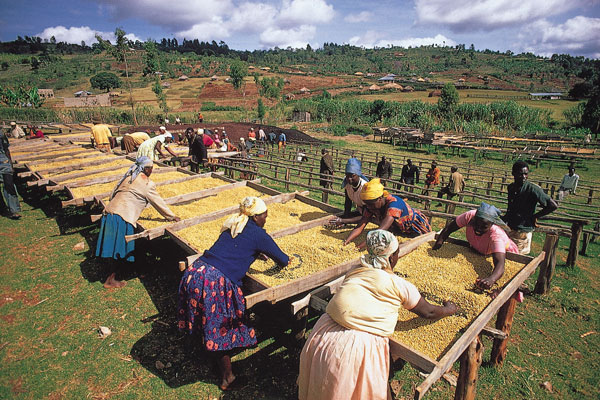
Kenya Coffee Varieties and Growing Regions Explained
Explore Kenya’s legendary SL28, SL34 coffee varieties and discover how its high-altitude regions shape the country’s iconic bright, winey cup profiles.
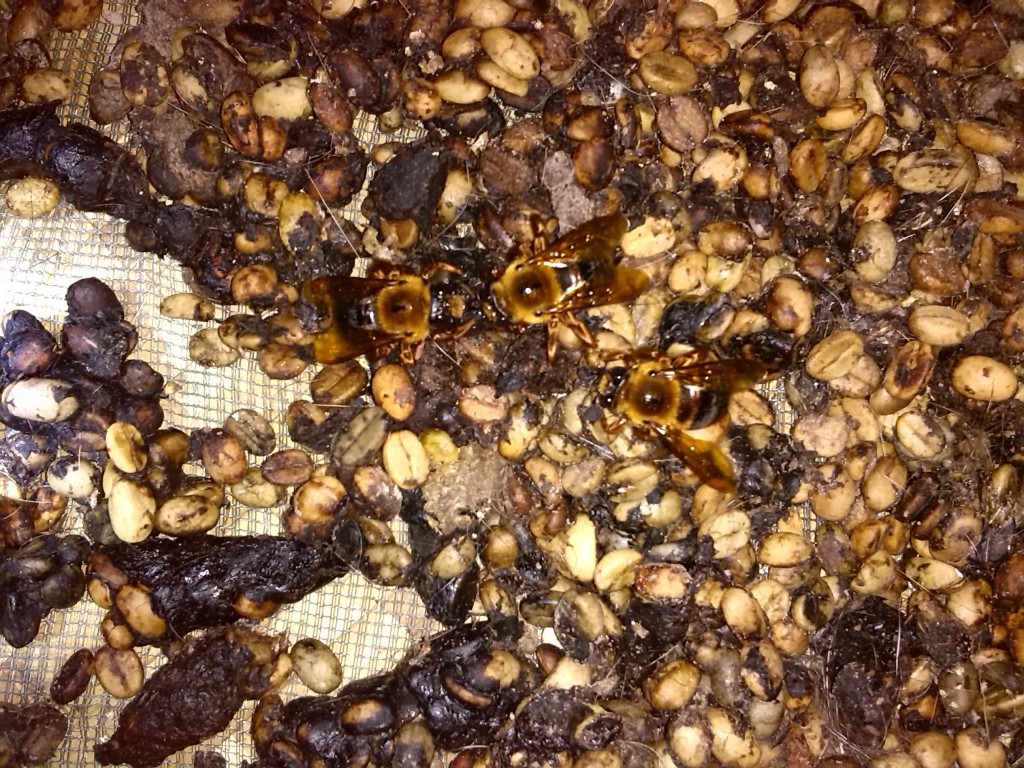
What Makes Kopi Luwak Coffee Actually Smell So Good?
The rare aroma of civet coffee comes not from digestion, but from the civet’s scent-infused feces wrapping the beans during fermentation.
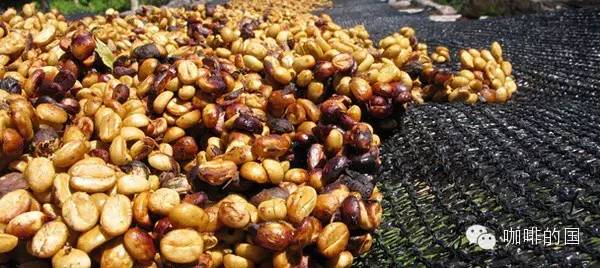
How to Choose Between Panama Boquete Honey and Washed Process Coffees
Learn which processing method—honey or washed—better suits your taste for Panama Boquete coffee with 30% Geisha, based on flavor, acidity, and sweetness.

How to Use Cold Bruer for Ice Drip Coffee
Learn how to make cold drip coffee with the Cold Bruer system in 3 to 12 hours using a 1:15 brew ratio for balanced flavor.
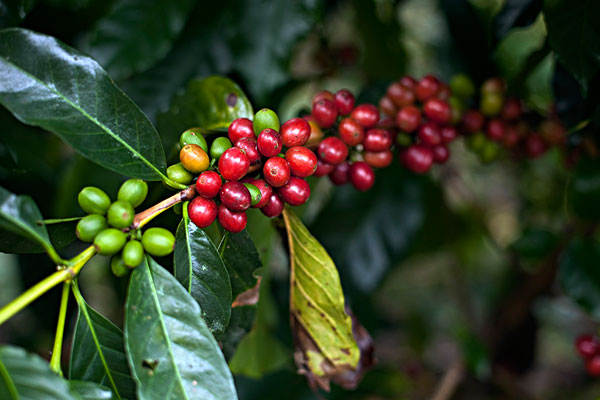
How Much Does Fresh-Picked Panamanian Geisha Coffee Cost?
Directly sourced Panamanian Geisha coffee beans typically range from $35 to over $100 per pound depending on processing and farm prestige.
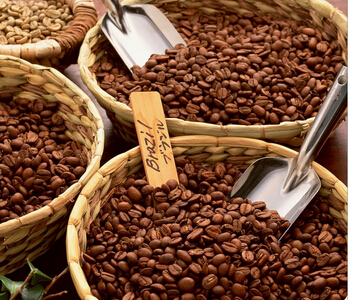
How to Choose Authentic Panamanian Coffee Beans Like Elida Estate
Learn why Elida Estate’s honey-processed Panamanian coffee stands out with its floral, clean profile and how to select high-quality Panamanian beans.
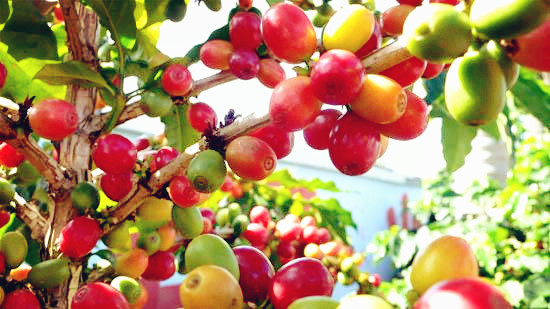
Papua New Guinea Washed A-Grade Coffee from Chimere Estate
Explore the bright, fruity profile of A-grade washed PNG coffee from Chimere Estate, grown at 1500m with Arusha, Blue Mountain, and Catimor varieties.
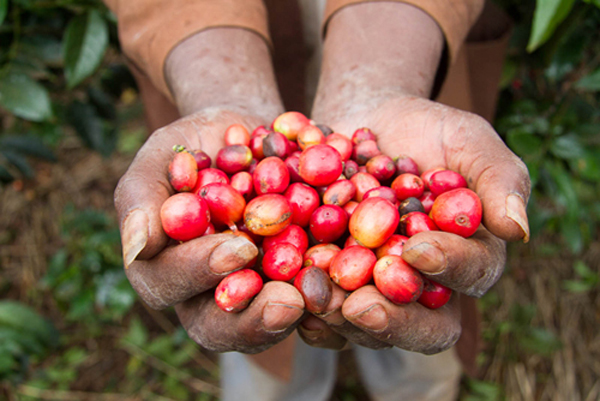
How to Choose Coffee Beans From Bali’s Kintamani Volcano
Discover how Indonesian roasters are elevating Bali’s Kintamani region with specialty-grade volcanic coffees, featuring bright acids and tropical fruit in natural process.
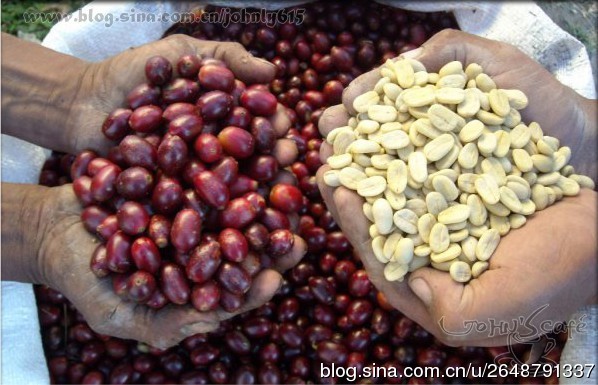
Sumatra Mandheling Coffee Beans Explained
Learn why Sumatra Mandheling coffee has a thick body and herbal flavor, and how 'two-lake Mandheling' defines the island’s specialty profile.