
Specialty Coffee Beans
Latest articles, industry insights and brewing guides

Panamanian boutique coffee beans geisha coffee flavor manor area introduces the types of Panamanian coffee
Unlike some other high-priced coffee (such as cat shit, Blue Mountain), the coffee quality of this estate is really up to its price level, although high demand and market factors also play a role. This record-breaking coffee tastes unusual: bright and strong floral and citrus flavors, full of tea. All these come from Geisha.
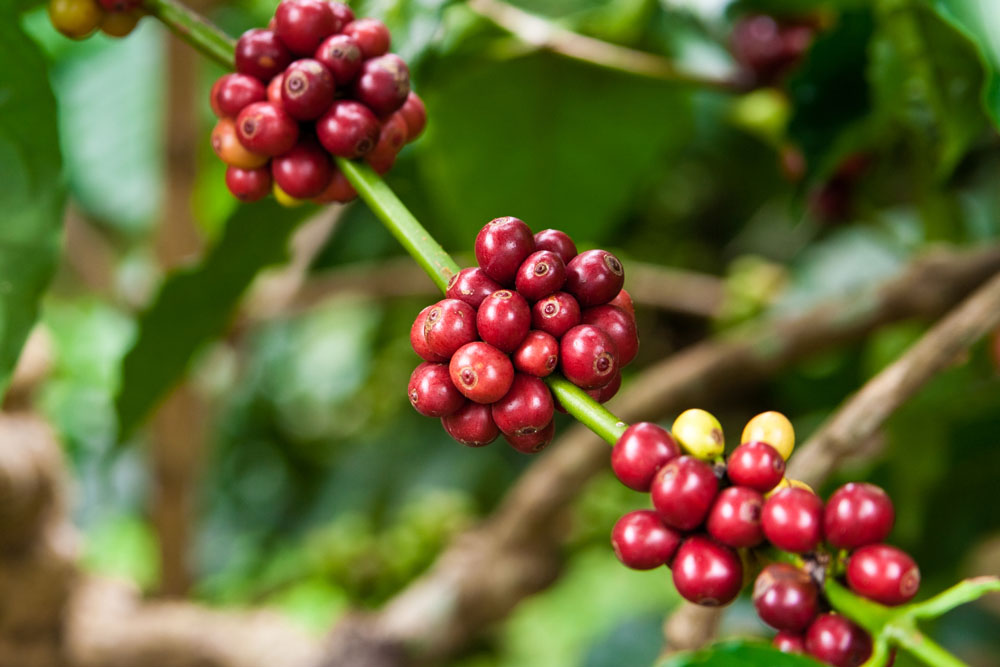
Honey kiss 90 + Essel nectar and berry flavor sun treatment
Nekisse N2 L12 Ethiopia Nekisse N2 Taste Profile Nekisse N2 Taste Profile got its name from Nectar from Shakisso in 2009, meaning it has the same flavor as nectar from Shaqiso Town, Hidamo Province, Ethiopia. Nekisse is characterized by a creamy, smooth taste and intense berries

Flavor characteristics of Indonesian Kopi Luwak introduction to the producing area of Indonesian boutique coffee bean manor
Kopi Luwak, produced in Indonesia, grows a lot of coffee crops, including wild animals called civets, omnivores, pointed mouths and dark gray fur. Indonesians call them Luwak. Luwak likes to choose the most ripe, sweet, juicy coffee fruit in the coffee tree as food. While the coffee fruit passes through its digestive system, only the appearance of the fruit is digested.
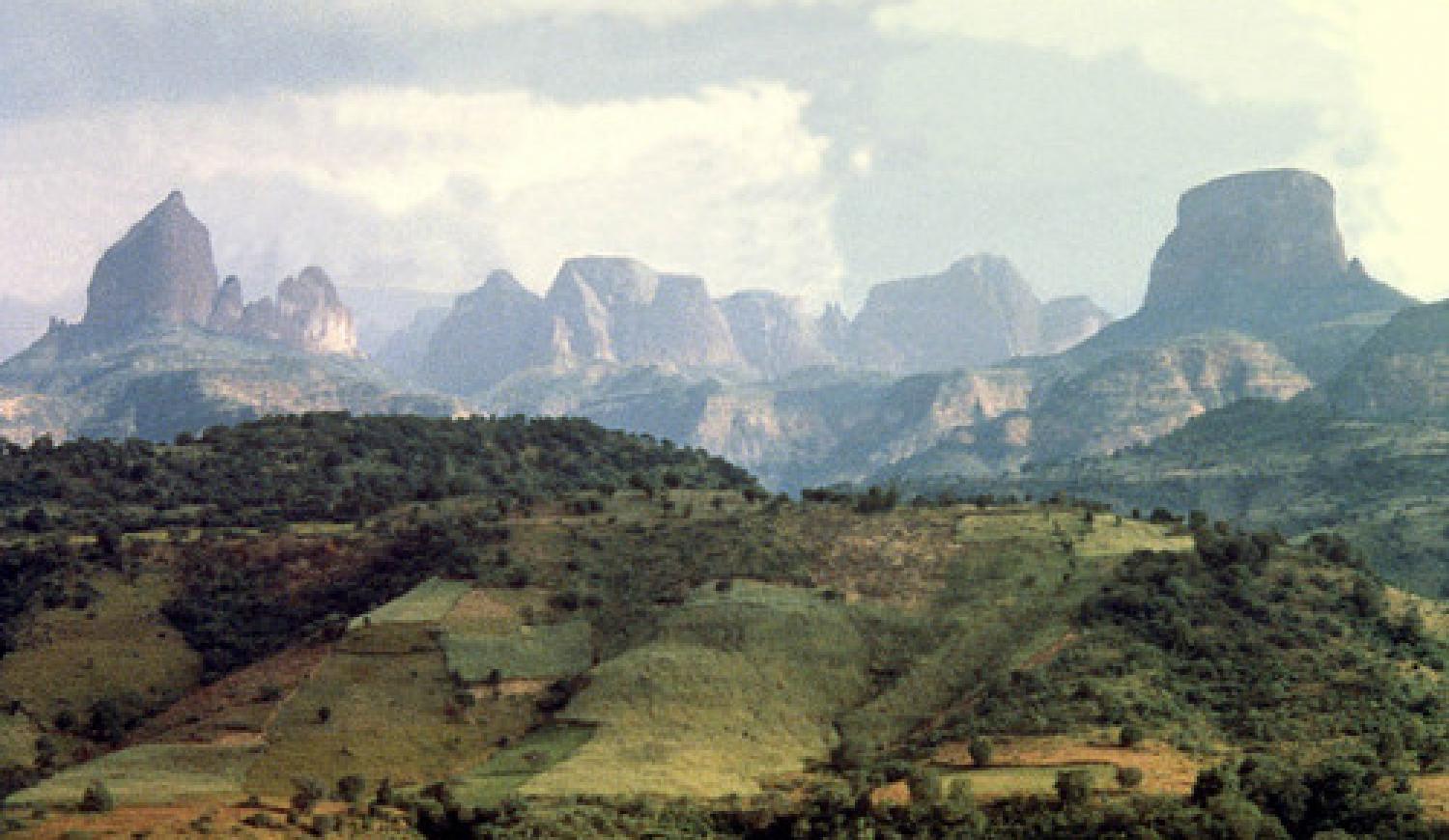
Flavor of 90 + Coffee Bean Hachira N2 L12 basil herbs
Originated in 90 + 2006-2008 with S.A.Bagersh development of Aricha (Achilla) production series. Name this coffee Hachira. Hachira coffee juice has a distinctive floral flavor, usually with elderberry or BlackBerry flavors, and sometimes with basil herbs. Producing area 90 + Ethiopia, Achira (Achilla) producing area
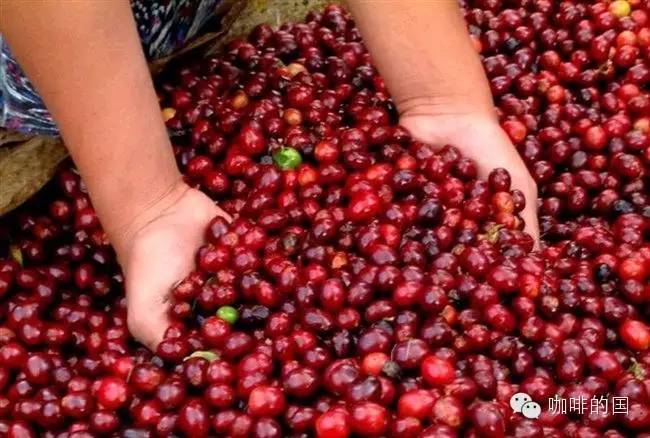
About the flavor spectrum of 90 + Level 90 + Ethiopia Nekisse Red Panama Manor
About the flavor spectrum of Level: ninety +, there is a Level logo. It is the number after the product name mark L. For example, L12-means Level 12. The Level is probably in proportion to the price. It represents the grading model of raw beans: according to quality, quantity, production cost, 90 + based on the original excellent raw beans, continue to grade as follows: Level 7: single production area harvest.
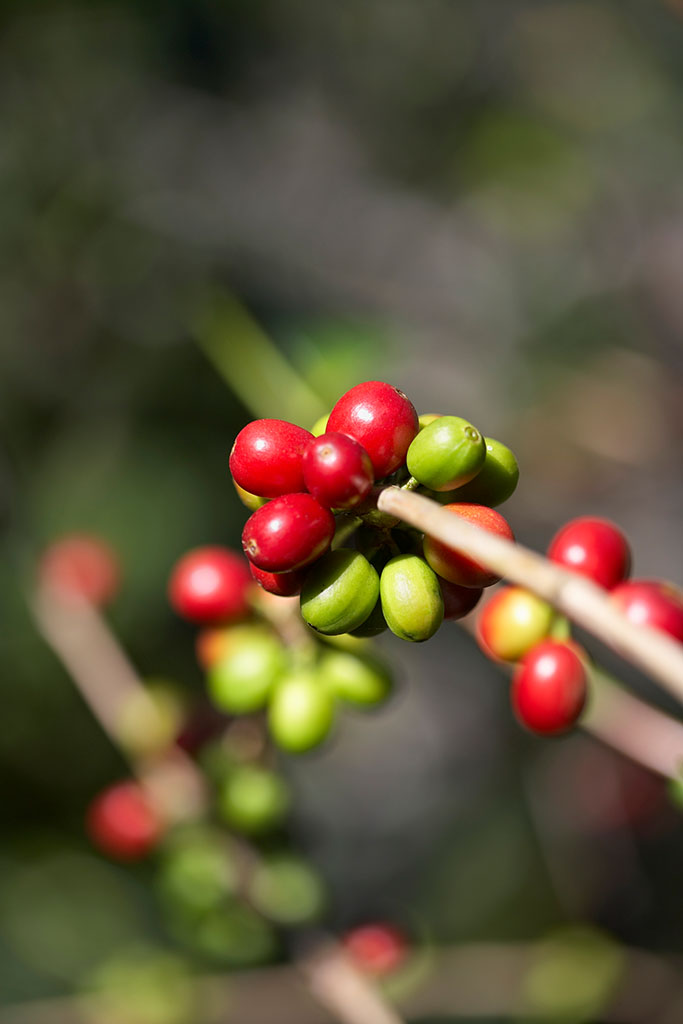
90 + Taste differentiation W2, H2, N2 treatment traditional raw bean treatment
W2, H2, N2: it can be understood as the traditional way of processing raw beans, and 90 + also regards them as the distinction of taste. Ninety Plus thought that coffee itself is a kind of fruit, so he made his own exclusive treatment according to taste (W2), (H2), and (N2). When you understand traditional coffee processing, you will find that a small amount of adjustment can blur the distinction between them. For example, in

Indonesian Coffee Flavor and Taste the Arabica Coffee Manor is introduced in the producing area.
The island of Sulawesi, located between Borneo and New Guinea, is sometimes called Celebes. The coffee produced on the island is full of grains and rich in flavor. The best coffee beans come from Kalossi and Rantepao in the southern part of the island. Among the many tastes of spleen, try Celebes Kalosi coffee. On the whole, Indonesia
Introduction of American Top Coffee Ninety Plus Coffee 90 + Top Coffee
Ninety + does not refer to all coffee with a score of more than 90. Good coffee, one year, one year. Sometimes haunt different manors, but also have different taste characteristics. Ninety + refers to a top range of coffee with 13 flavors. These coffees are only from Ninety Plus Coffee, the creator of American boutique coffee. They are all old varieties of Ethiopian heirloom (Heirloom).

Panamanian Coffee Flavor and Taste introduction to Jadeite Manor Panamanian geisha Coffee
Like other traditional beans in Panama, Blue Sapphire is also composed of iron pickup, bourbon and Kaduai. This bean is planted in a very balanced ecological environment and has been certified by the Rainforest Alliance. The origin of this bean can often be seen in ancient tropical rainforests and all kinds of wild animals, which means that the place is not polluted or destroyed.

Introduction of Panamanian coffee flavor and taste of Panamanian coffee beans in the Panamanian coffee producing area of Alida Manor
Panama has been among the world's best coffee producers since three years ago, surprising countries that have been in the vanguard of developer production for many years. Panamanian coffee is mainly produced in the west near the Costa Rican border, producing the best washed coffee. Compared with coffee beans grown at low and middle elevations, the low temperature and stable climate in the high elevations of Panama

Panamanian Coffee Taste Manor area introduces the characteristics of Panamanian Coffee in Caicent Louis Manor
History of Esmeralda Farm: founded by Hans Elliot, a Swede, in 1924, Esmeralda Farm was not a coffee grower but a ranch. Forty years later, in 1964, Mr. Danielutsson's grandfather, Ruth Ruth. Mr. Bidarsson bought Esmeralda Farm in order to have an old home after retirement. His grandfather, Mr. Lutleverbitsson, was born in Sweden and used to be a member of the United States.

Panamanian Coffee Flavor and Taste Manor introduce the characteristics of Panamanian coffee beans in Esmeralda Manor
Coffee lovers know that the most expensive coffee today is not Blue Mountain or cat poop, but the geisha ES-7 coffee beans (geisha coffee) produced in Esmilada Hacienda La Esmeralda (Emerald Manor) in Panama. This is the craziest coffee in the world, and every May the world's most high-profile coffee event should come from Esme, Panama.

Jamaican Blue Mountain Coffee Manor introduces Jamaican Coffee flavor Valenford Manor
From the above we can understand the general production of Blue Mountain Coffee, what we need to pay attention to is the Blue Mountain 99 that can be drunk in China. 9% of them are only grown near the Blue Mountains. Only coffee produced on 6000 hectares of land above 1600 meters above sea level can be called Blue Mountain, and the yield is always less than 900t.

Jamaica Blue Mountain Coffee Manor Silver Mountain Manor introduction to Jamaica Coffee producing area
By 1981, about 1500 hectares of land in Jamaica had been reclaimed for coffee cultivation, followed by investment in another 6000 hectares of coffee land. In fact, today's Blue Mountain area is a small area with a planting area of only 6000 hectares, and it is impossible to grow all the coffee marked Blue Mountain there. Another 12000 hectares of land is used to grow the other two types of coffee.

Introduction to the flavor and taste of Ecuadorian coffee Galapagos coffee
Ghana Pagos coffee is produced at an average altitude of 300 meters above sea level. It has different tastes, it is not so sour and bitter, it tastes very good, it is mild, it tastes slightly sweet and floral, and it is very easy to taste. It is a very good choice for guests who are just starting to drink coffee. For drip-filtered coffee that wants to make and taste pure aroma and taste, I recommend you try Ghana

Introduction of Bolivian coffee flavor and taste high-quality coffee beans in Bolivian coffee producing areas
Most of the coffee in Bolivia is of mediocre quality, but the production of boutique coffee has developed rapidly in recent years, and there have been a lot of pretty good beans. In recent years, the COE (Cup of excellence) system, which was first implemented in Brazil, has gradually become popular. Bolivia has also introduced this system, which can stimulate the enthusiasm of coffee farmers on the one hand and improve coffee on the other.

Introduction to the flavor and taste of geisha coffee the characteristics of Panamanian geisha Coffee Coffee Manor
The story of geisha began as early as 1931. An Englishman collects coffee beans in a forest near Mount Rosa in southwestern Ethiopia. In 1932, the coffee beans were exported to Kenya. He was transplanted to Panama in the 1960s. French biologist Jean-PierreLabouisse verified the clue and found that the coffee originally marked Mount Rosa

Fragrant Ethiopian coffee flavor and taste introduce fine coffee beans in Ethiopian coffee producing areas
Ethiopian people are addicted to coffee. In 2003, domestic consumption accounted for 42.3% of the total output, with a per capita consumption of 3 kg. But more than half of the coffee produced each year is used for export to earn foreign exchange. The main exporters include the United States, Italy, the United Kingdom, Sweden, Norway, Greece, France, Belgium, Germany and Australia. Before 1974, the right to produce, process and trade coffee was controlled by
Introduction to Jamaican Coffee Flavor and Taste Jamaican Blue Mountain Coffee
By 1969, the situation had improved because the use of Japanese loans improved the quality of production, thus ensuring the market

Introduction to Mexican Coffee producing area Fine Mexican Coffee beans Aldumara Coffee
Mexican coffee-growing areas are mainly concentrated in the southeastern highlands, near Guatemala. Most of the mountains in the south are volcanic areas, and the volcanic ash soil is not only conducive to the drainage of coffee roots, but also provides sufficient nutrients for the growth of coffee trees. Most of the coffee varieties planted are Kaddura, Tibica, bourbon, etc., and the treatment methods are mostly water washing treatment, which are classified according to altitude. Coffee beans