
Specialty Coffee Beans
Latest articles, industry insights and brewing guides

Coffee Extraction Time and Standards Explained
Learn how grind size affects coffee extraction time and what defines a good cup. Key temperatures, methods, and durations broken down.
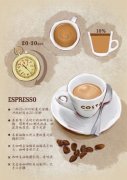
How to Tell Good Coffee: The COSTA Golden Rules
Learn how to spot high-quality coffee with COSTA’s official golden rules—from crema depth to espresso timing and milk texture.
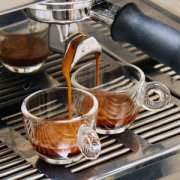
Espresso Basics: What Makes a Great Shot
Learn the golden rules for espresso shot time, volume, and color—and how to adjust grind, dose, and tamp for better results.
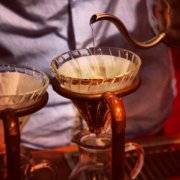
How to Brew a Great Cup of Coffee: The Extraction Rules
Learn the key variables—grind size, water temperature, brew ratio—that control coffee extraction for balanced flavor and strength.
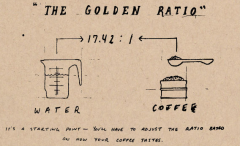
How to Calculate Coffee Extraction Rate & Use the Golden Brew Ratio
Learn the science behind ideal coffee extraction: 18–22% yield, 1.15–1.35% TDS, and the golden 1:17.42 brew ratio for balanced cups.
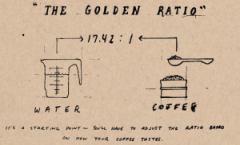
The Golden Coffee Brew Ratio and Extraction Law Explained
Find out the ideal coffee-to-water ratio and extraction targets for balanced, high-quality brews based on decades of specialty coffee research.

The Espresso 4M Rule: What Makes a Proper Espresso
Learn the four essential elements—blend, grind, machine, and barista skill—that define traditional Italian espresso extraction.
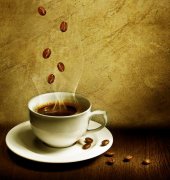
The Principles of Coffee Extraction Explained
Learn how extraction works in coffee brewing—what causes under- or over-extraction, and how to control it for better results.
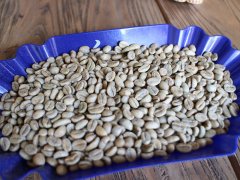
How Coffee Silver Skin Affects Flavor in Roasted Beans
Removing some silver skin boosts coffee flavor complexity, but too much stripping flattens taste. Tests show balance is key.
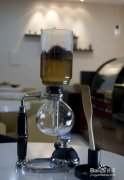
Siphon Coffee Brewing: Key Tips and Precautions
Learn how to brew great siphon coffee with the right grind, temperature, water, and technique. Includes 12 essential steps and common mistakes to avoid.
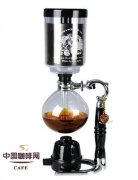
Why You Shouldn’t Use a Siphon Pot for Cappuccino
Siphon-brewed coffee is too light and clean for cappuccino’s rich milk texture. Here’s why the method doesn’t work.
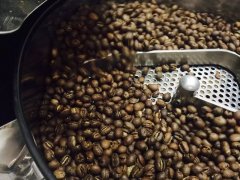
Why Does Siphon-Brewed Blue Mountain Coffee Taste Burnt?
Learn why your siphon-brewed Jamaican Blue Mountain tastes burnt—and how to fix time, agitation, and heat to get it right.
What Kind of Water Is Best for Brewing Coffee?
Fresh, neutral pH, low-mineral water is ideal for coffee brewing. Avoid overly hard or soft water to preserve balance and flavor.

How to Relieve Coffee-Induced Heart Palpitations
Feeling jittery after coffee? Here’s how to ease palpitations, including timing, dosage, and who should avoid caffeine.
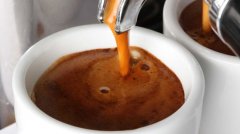
What a Coffee Roaster Really Does Behind the Scenes
Learn why roasters are essential to specialty coffee, how they craft flavor through roast profiles, and what skills define a true professional.
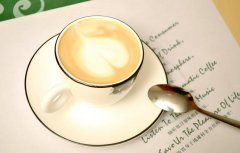
How Traditional Italian Mocha Became Modern Flavored Mocha
Discover how Italy’s traditional mocha evolved into today’s flavored mocha, including key ratios, ingredients, and differences from similar drinks.

How Roast and Brew Methods Shape Coffee Flavor
Roasting level and brew time determine your coffee’s bitterness, aroma, and caffeine strength—here’s exactly how.
10 Facts About Coffee You Probably Didn’t Know
From antioxidant benefits to caffeine myths, here are 10 surprising truths about coffee based on research and legend.
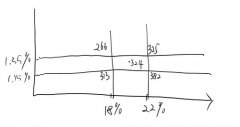
How to Choose the Right Brew Ratio for Single Origin Mandheling
Learn the science behind ideal brew ratios for Mandheling coffee, with a recommended 1:16 powder-to-water balance for balanced extraction.
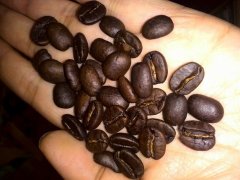
Does Golden Mandheling Always Taste Low in Acidity?
No — Golden Mandheling can be bright and acidic. Its flavor depends heavily on roast level, not the bean itself.