
Coffee News
Latest articles, industry insights and brewing guides

The Best Time to Drink Coffee Is 10:30 AM
Science shows cortisol levels peak early; your ideal coffee time is between 9:30 and 11:30 AM when alertness hormones dip.

Indonesia Expects 20% Annual Coffee Export Growth to China
Indonesia aims to grow its coffee bean exports to China by around 20% yearly, driven by China's large market and demand for premium beans.

How Senna Left Bank Built a Leading Coffee Brand in China
Senna Left Bank Coffee is expanding with themed European-style outlets and a full farm-to-cup model, aiming to lead China’s growing coffee market.
How China Could Reshape the Global Coffee Market
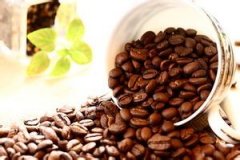
China’s coffee demand is growing 15–20% yearly, with potential to become the world’s largest market—while climate risks drive coffee prices to historic highs.
How Coffee Caffeine Reduces Muscle Soreness After Exercise
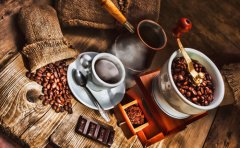
Drinking coffee with around 2 cups' worth of caffeine can cut post-workout muscle soreness by nearly half, especially for non-regular coffee drinkers.
10 Practical Reasons Why Coffee Outshines White Tea
Coffee isn't just about caffeine—it offers antioxidants, digestive help, freshness hacks, and more. Here are 10 real, functional perks backed by facts.
How Science Cafés Use Coffee to Teach About Air Quality
At Shanghai’s New Citizen Science Café, 30,000 attendees have learned about PM2.5 and air pollution through expert talks over coffee since 2005.
Top Organic Coffee Certification Bodies Explained
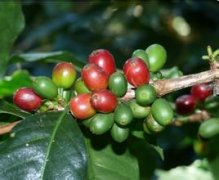
Learn which organic coffee certifications matter: USDA, Rainforest Alliance, and UTZ. Find out what each one guarantees and how they protect coffee quality and the environment.
What’s in Coffee? Nutrients, Benefits, and Risks Explained
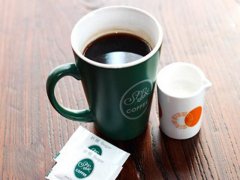
Coffee contains caffeine, antioxidants, and nutrients—but also risks. Learn what’s really in your cup, how much is safe, and who should avoid it.
What Is the SCAA? Specialty Coffee Association Explained
Learn what the SCAA is, why it matters, and how its certifications shape global coffee standards. Founded in 1982, it’s the most influential U.S. coffee body.
How Trees in Coffee Farms Boost Yield and Pest Control
Adding trees to coffee farms can triple bird numbers, cut coffee berry borer damage below 15%, and slightly raise yields, a new study finds.
How Daily Coffee Drinking May Lower Depression Risk
Drinking at least four cups of coffee daily may reduce depression risk by 20% in women, Harvard research finds.
International Coffee Chains Accelerate Expansion in Mainland China
Major global coffee brands like Starbucks, Costa, and Pacific Coffee are rapidly expanding across mainland China, with hundreds of new stores planned.
Nestlé to Invest $34 Million in Global Coffee Over 10 Years
Nestlé plans to invest 500 million Swiss francs ($33.6 million) in coffee supply chains, doubling past decade commitments to boost sourcing, production, and consumption.
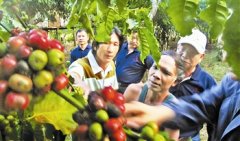
Laos' Hidden Coffee Village in the Mekong Jungle
Deep in Laos’ southern jungle, a secluded tribe grows some of the world’s finest smallholder Arabica using traditional methods and volcanic soil.
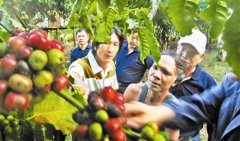
Laos' Hidden Coffee Tribe Grows World-Class Beans
Deep in Laos’ jungle, a remote village grows top-tier smallholder coffee using traditional methods and volcanic soil — here’s how they do it.
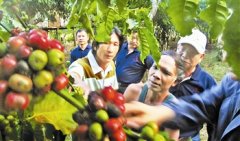
Laos’s Hidden Coffee Village in the Mekong Jungle
Deep in southern Laos’s jungle, a remote village grows some of the world’s finest smallholder Arabica using traditional methods and volcanic soil.
Guadeloupe Coffee: A Forgotten Caribbean Origin
Guadeloupe once produced 4,000 tons of coffee yearly. Today, just 150 hectares remain—but its historic Bonifieur grade still lingers in specialty lore.
Where Martinique Coffee Originated and Why It Disappeared
Martinique was the birthplace of coffee in the Americas, thanks to a single tree brought in 1723. Learn how the island’s coffee industry rose—and vanished.
Philippines Coffee Origins: History & Flavor Guide
Learn how the Philippines grew four coffee species, survived leaf rust, and now offers mild, spicy arabica from Mindanao with unique roast potential.