
Specialty Coffee Beans
Latest articles, industry insights and brewing guides

Why Coffee Tastes Weaker Than It Smells
Scientists explain why brewed coffee’s aroma is more intense than its flavor—due to nasal airflow direction and saliva breaking down key compounds.
Does Coffee Help with Weight Loss? The Science Behind It
Yes, coffee can aid weight loss — if consumed in moderation and at the right time. Caffeine and chlorogenic acid boost metabolism and fat breakdown.

How to Properly Taste and Enjoy a Cup of Coffee
Learn how to properly taste coffee: optimal temperature, serving size, aroma, flavor layers, and common misconceptions about black coffee.
The Chemistry Behind Coffee’s Flavor and Processing
Discover how coffee’s unique chemistry and processing create its aroma, taste, and global appeal through roast-driven chemical changes.

Morning Coffee Benefits and Caffeine Limits
Learn how a morning coffee aids digestion and alertness, and the safe caffeine range to avoid side effects.

What Are the Real Health Benefits of Drinking Coffee?
Moderate coffee intake offers multiple health perks, from boosting focus to aiding fat loss. Here’s what science-backed research actually says.
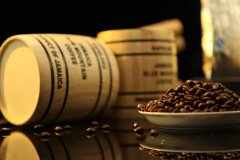
What Is Jamaica Blue Mountain Coffee?
Jamaica Blue Mountain is one of the rarest and most prestigious coffees globally, grown only at high elevations in a limited region. Learn why it costs so much.
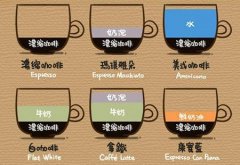
Common Coffee Types Every Coffee Lover Should Know
Learn the ingredients and brewing methods behind 13 classic coffee drinks like espresso, latte, and cappuccino, with clear definitions for each.

Benefits and Risks of Drinking Coffee: What Science Says
Coffee offers health perks like reduced gallstones and fatigue relief, but overconsumption may raise blood pressure or affect bone health. Here’s what 3 cups daily really does.

What Is a Latte? Types of Italian Espresso-Based Drinks
Learn what a latte is, how it’s made, and how it differs from other Italian-style espresso drinks like cappuccinos and iced lattes.

How Coffee Aroma Captivates Your Senses from Bean to Cup
Explore how coffee aroma evolves from grinding to brewing, and why it defines the soul of specialty coffee.
Why Higher Altitude Coffee Tastes Better
Higher-altitude coffee beans develop denser structure, brighter acidity, and more complex flavors due to slower growth and cooler temperatures.
Why Your Coffee Tastes Bitter — And How to Make It Sweet
Coffee can taste sweet naturally — here’s how roast level, water temp, and brewing technique affect sweetness and balance.
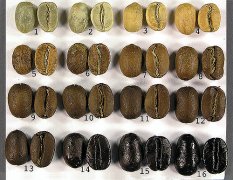
Why Your Coffee Tastes Worse Over Time
Freshly roasted coffee peaks quickly—here’s how long it stays good and why flavor fades after weeks or months.
How to Store Green Coffee Beans: Packaging & Shelf Life Guide
Learn the best ways to store green coffee beans, from jute sacks to vacuum sealing, and how long they stay fresh before roasting.
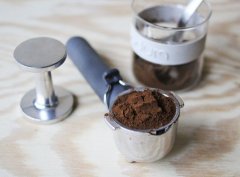
How to Make a Perfect Espresso Shot
Learn the essential steps to pull a balanced espresso shot: grind size, dose, time, and technique for a rich, flavorful cup.
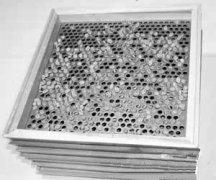
How Coffee Beans Are Graded Internationally
Discover how coffee-growing countries classify green beans by size, defects, altitude, and shape — with exact standards from Kenya to Colombia.

Three Types of Cappuccino: Wet, Dry, and Half
Learn the difference between wet, dry, and half cappuccinos based on milk foam volume and texture—key for baristas and home brewers.
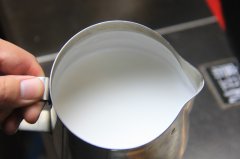
How Milk Foam Affects Latte Art: Common Mistakes & Fixes
Learn why your latte art fails and how to fix common milk foam mistakes. Improve your steaming technique for better cappuccino and latte results.
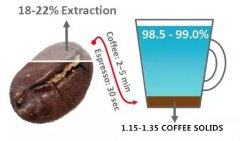
Understanding the Golden Cup Standard for Coffee Extraction
Learn the ideal coffee extraction rate (18–22%) and concentration (1.15–1.35%) for balanced flavor, and how to adjust grind, time, and brew ratio.