
Specialty Coffee Beans
Latest articles, industry insights and brewing guides

Where Did Coffee Originate? The First Coffee Tree
The first coffee tree grew in the Horn of Africa. Local tribes mixed crushed coffee fruit with animal fat for energy-rich food given to warriors.
What’s Inside a Coffee Bean? Key Coffee Components Explained
Discover the 9 major chemical components in a coffee bean — from caffeine and tannic acid to fats, sugars, and minerals — and how they affect flavor and function.

What Is Black Ivory Coffee Made From?
Black Ivory Coffee is made from Thai Arabica beans digested and excreted by elephants. Only 50kg were produced in 2012, retailing at $1800/kg.
What Defines Specialty Coffee?
Specialty coffee means scored 85+ by cuppers, traceable to farm level, and brewed without milk or sugar. Here’s what makes it truly special.
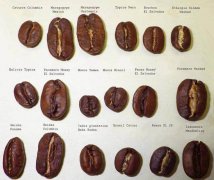
How Specialty Coffee Classifies Defective Beans
Learn how specialty coffee graders count defects using 350g samples and the SCA’s defect conversion rules to determine bean quality.
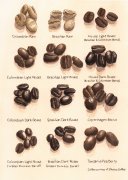
What We Actually Test During Coffee Cupping
Learn what professional cupping evaluates in roasted coffee — from aroma and acidity to balance and sweetness, with exact steps and SCA criteria.
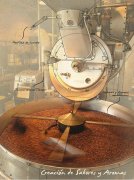
How to Become a Coffee Roaster: The Real Role of Roast Curves
Becoming a skilled coffee roaster means mastering beans, not just machines. Roast curves help, but they’re not everything.
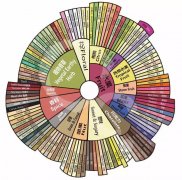
How to Use the Coffee Taster’s Flavor Wheel
Learn how the SCA Coffee Taster’s Flavor Wheel helps you identify flavors, understand coffee quality, and improve your tasting skills with expert insight.
How to Learn Coffee Cupping and Find the Best Tasting Spot
Learn how to taste coffee like a pro by finding the right cupping location, using a flavor wheel, and training your palate step by step.
Single Origin vs Blend: What Makes Specialty Coffee Different
Explore the real differences between single origin and blended coffee, including flavor profiles, brewing roles, and when each shines.
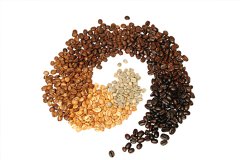
How to Find Your Ideal Espresso Blend Ratio
Learn how to communicate your flavor preferences to your roaster to craft an espresso blend with the right balance of acidity, sweetness, and body.
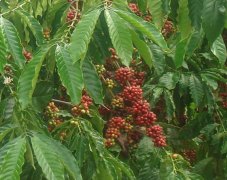
Why Are Some Coffee Beans So Expensive?
Coffee bean prices depend on climate, yield, disease, and market factors. Learn what makes some beans cost more and how to spot quality.
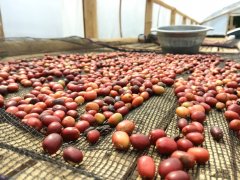
Indonesian Coffee Varieties and the Wet Hull Process
Learn how Indonesia’s signature wet hull process shapes its bold, earthy coffee flavors, and why Mandheling isn’t a bean—but a flavor profile.
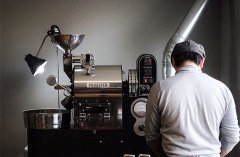
What Makes a Professional Coffee Roaster?
Learn what sets skilled coffee roasters apart, from understanding roast profiles to balancing brew methods and customer preferences.
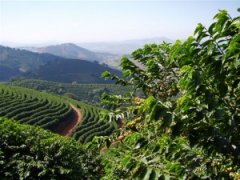
Best Costa Rican Single Origin Coffee for Summer
Discover why Costa Rica Tarrazú’s light-medium roasted Caturra is ideal for summer — bright, clean, and sweet with a silky mouthfeel.
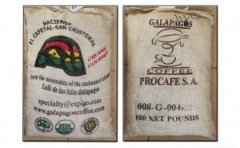
Ecuador’s Rare Galápagos Bourbon Coffee Beans
Galápagos-grown Bourbon coffee offers a smooth, complex profile similar to Blue Mountain, grown pesticide-free at high altitudes over 500 meters.
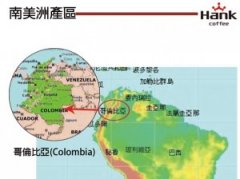
Huila Orange River Coffee: Colombia’s Hidden Gem
Discover the vibrant washed coffee from Colombia’s Huila region, grown near the Los Naranjos river with citrus, stone fruit, and caramel notes.
How Coffee Roasting Machines Work: Essential Knowledge for Roasters
Learn the core heat transfer principles—conduction, convection, and radiation—that drive coffee roasting, and how machine design affects roast consistency.
Where Does Coffee Acidity Come From?
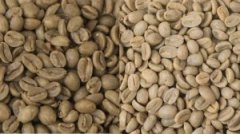
Coffee acidity comes mainly from acids formed during roasting—not raw beans. Key acids include quinic and acetic acid, shaped by roast level and bean origin.

Washed Ethiopian Harar Coffee Beans: Rare & Flavorful
A rare washed Ethiopian Harar coffee offers orange peel and high-grade black tea notes, grown at 2600m with just 1% defect rate.