
Coffee Farm
Latest articles, industry insights and brewing guides
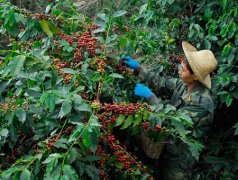
Aceh, Sumatra, Ache Province, Gayo Mountains
Indonesian coffee is diverse in quality, most of which are named after island sources and markets such as Sumatra, Sulawesi, Jawa or Timur. The advantage of Indonesian coffee is that most coffees are characterized by strong, restrained flavors and lively moderate acidity. Indonesian Mandheling coffee is highly rated by Chinese
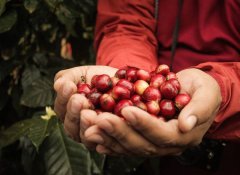
Costa Rica where coffee beans are grown in Central and South America.
Costa Rican coffee cultivation was introduced by Cuba in 1779 and exported for the first time in 1820. There are about 32000 coffee farmers, with an average planting area of less than one hectare (10000 hectares) per farmer. Costa Rica has a population of 41 billion (2006), with a coffee planting area of 82500 hectares and an annual production of 1.7 million bags (60kgs per bag). The annual domestic consumption is 380000 bags.
St. Roman processing Plant in Tarazu, Costa Rica, where does Costa Rica's best coffee come from?
The best coffee in Costa Rica seems to come from small processing plants, spread across several major coffee producing areas, including Tarazu and the western valley. This so-called coffee revolution originated 15 years ago and has greatly changed the way bean baking experts and importers think about Costa Rican coffee. Take the processing plant as the center, collect coffee beans from the surrounding small farms for processing, most of these farms are small societies
Vista Allegre Manor Brazilian Coffee generally refers to coffee produced in Brazil
Brazilian coffee generally refers to coffee produced in Brazil. There is a wide variety of Brazilian coffee, the vast majority of which are unwashed and sun-dried, classified according to the name of the state of origin and the port of transport. Brazil has 21 states and 17 states produce coffee, but four of them produce the largest, accounting for 98% of the country's total output. Brazilian coffee has a low sour taste, which goes well with coffee.
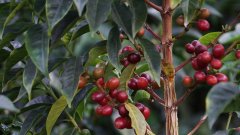
Power Coffee South American Santos Coffee: also a unique coffee variety in Brazil
South American Santos Coffee: also unique to Brazil, it tastes mellow, neutral and can be boiled directly or mixed with other kinds of coffee beans to form a comprehensive coffee. Old bourbon coffee is grown on some estates in the Serrado district of Minas Greais state in southeastern Brazil. These estates, such as Capin Branco Manor and

Honduras Tropical Plantation San Juan Cido Estate
San Juan Cido is a small village in central Honduras, 40 km northeast of Tegucigalpa, Honduras. Francisco Morazn also has jurisdiction over Nuevo Rosario, Guacamaya and Plan Grande, with a total population of approximately 1400. Although San Juan Xido is historically known for its mineral deposits,
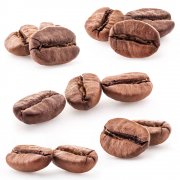
Honduras San Juan Theodore
Honduras San Juancito Lot#1 country: Honduras production area: San Juan Theodor altitude: 1450-1550 m treatment: washing variety: bourbon treatment: COMISAJUL cooperative flavor: clean, baked nuts, milk chocolate
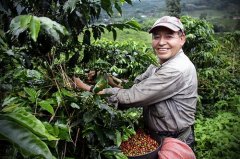
The flavor of Bali coffee beans. Bali coffee.
Flavor description: raw beans exude strong cantaloupe and tropical fruit aromas; the entrance flavor changes to the sweetness of pineapple and strawberry jam, showing smooth and rich acidity at medium and low temperatures, with aromas of handmade black sugar, exquisite dark chocolate and hazelnut; the overall flavor is excellent, like syrup-like texture and sweet taste, and the ripe fruit flavor of the sun even surpasses many of China and the United States.
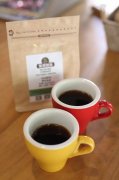
The handling of Bali Coffee beans
This year, Rodney successfully experimented with three different batches, including water washing, honey treatment, sun treatment, and three different construction methods. The flavor greatly exceeds the general batches of origin, and the overall defect rate and uniformity are even better than those of fine beans in Central America. Water washing and honey treatment have bright and complex acidity, and the sun treatment batches are much better than those of Panama Manor.
The coffee flavor of Bali Ubu District Bali also has boutique coffee beans.
In the traditional culture of Bali, coffee is used as a cheap beverage raw material. The flavor and quality of the region have been unstable or depressed, and most of them have become cheap commercial beans. Rodney and his partners decided to change the local people's stereotype of coffee. They chose the Wubu Market area, the cultural center of Bali, and opened the only one on the island.
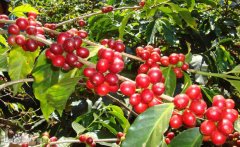
Ubu treatment Plant of Mount Kintamani, Karana, Abali, Indonesia
Ndonesia Bali Karana Kintamani Ubud Natural country: Indonesia producing area: Kintamani (Kintamani) Volcano area altitude: 1400 m harvesting season: June to September every year treatment method: sun varieties: USDA, Karka, SMUE 795 processing plant: Wubu processing plant flavor: ripe peach, pineapple, brown sugar
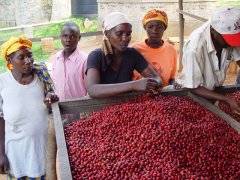
The best quality coffee beans Ninety plus unique flavor classification, password classification
Profile Processing system: the development of Profile Processing system, tailor-made for each bean, planting, harvesting, processing and other processes, and through a cup test and correction, exactly let each bean seed, play its unique fruit flavor. Ninety plus unique flavor grading, password grading: Ninety Plus coffee is divided according to the intensity of fruit flavor
Ethiopia 90+levelupDerar Ela de Riera coffee beans 90 plus
Level Up, a sub-brand of 90+Ninety plus, retains the amazing flavor of 90 +, but the price is more approachable. D erar Ela means Highly Floral in Sidamo, that is, the fragrance of flowers. Flavor description: rich aromas of berries, walnuts, flowers, cream, peaches, apples, grapes and a variety of tropical fruits.
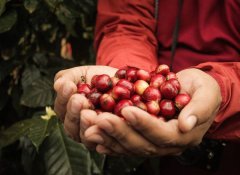
Kenyan coffee beans graded boutique coffee beans classified Kenyan coffee flavor
According to botanists in SL laboratory, SL28 and SL34 are genetic variants. Among them, SL28 has a mixed pedigree of French missionaries, mochas and Yemens Tibica. The goal of cultivating SL28 was to mass produce coffee beans with high quality and resistance to diseases and insect pests. Although the later production of SL28 was not as large as expected, copper leaves and broad bean-shaped beans were very popular.
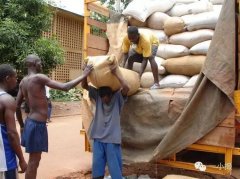
Kenya Coffee Tree Kenya Coffee beans Flavor Africa Kenya grows coffee beans
Coffee trees in Kenya are mostly planted at 1400 m-2000 m above sea level, and the growing areas include Ruiri,Thika, Kirinyaga and Mt. Kenya West, Nyeri, Kiambu and Muranga. Mainly in the foothills of Mt.Kenya and Aberdare. There are many producing areas in Kenya that strive to preserve the native forest ecosystem, protect the natural gene pool, and support the reproduction and breeding of wild coffee varieties.
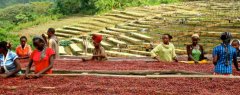
Kenya AA Arabica Coffee Bean Plantation African Coffee Bean Flavor
KenyaNyeri Gatugi AA country: Kenya Grade: AA producing area: Nyeri Central Mountain area altitude: 1600-2300 m soil: volcanic Clay treatment: washing varieties: SL 28, SL 34 processing Plant: Gatugi processing Plant producer: small Coffee Flavor Flavor: floral, blackcurrant, cranberry located in East Africa Kenya is one of the major coffee producing countries
The flavor of Guatemalan coffee beans Central and South America coffee beans Guatemala
Coffee was really introduced into Guatemala in 1750 by Father Jesuit, where the coffee industry was developed by German colonists at the end of the 19th century. Today, most of the coffee industry's production takes place in the south of the country. There are seven main coffee producing areas in Guatemala: Antigua, Coban, Atitlan and Huehuete.
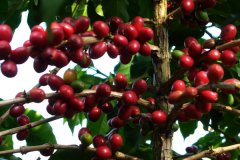
Guatemala Coffee Bean Roasting Latissa Estate
Volcanic soil, high altitude, wet and rainy climate, and active volcanic activity create unique geographical conditions in the Farrakhan Plateau region. Pacaya Volcano in this region is the most active of the three active volcanoes in Guatemala, leaving the Farrakhan Plateau often covered in a thin layer of dust and providing sufficient minerals for the Farrakhan Plateau soil. Coffee beans dried
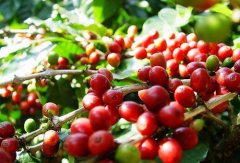
Champion coffee bean flavor hope the quality of the coffee beans in the manor hope that the manor will win the prize beans.
Flavor description: delicate aromas of flowers, honeysuckle, honeysuckle, orange peel, apple, cherry acid, walnut wood, caramel apple, mint chocolate, sweet sugarcane finish, round and delicate taste.
Hope the manor round beans boutique coffee round beans mocha coffee beans
Columbia Triple Crown Manor Hope Manor (Caf Granja La Esperanza) has honey-treated mocha beans. Hope Manor has four estates (Esperanza, Las Margaritas, Cerro Azul and Potosi). Its manor won the Best of Panama Best Panama Champion (2008) and runner-up (2009) *. 2012 even offered SCAA C with three products.