
Specialty Coffee Beans
Latest articles, industry insights and brewing guides

The harm and effect of long-term drinking Yunnan black tea Yunnan black tea is suitable for whom to drink
1. Under the combined action of caffeine and aromatic substances in Yunnan black tea, diuresis can increase renal blood flow, increase glomerular filtration rate, dilate renal microvessels, inhibit water reabsorption of renal tubules, and increase urine volume. This helps to eliminate lactic acid, uric acid (associated with gout), excess salt (associated with high blood pressure), harmful substances, etc., and relieve water caused by heart disease or nephritis

What are the taste characteristics and functions of Yunnan Yunnan Red Tea?
If you are used to drinking mixed tea or Assam tea in the morning, Yunnan black tea may surprise you. Yunnan tea boasts a higher sweetness and a completely different taste, and Yunnan tea can be a perfect dessert tea, and the perfect choice for a soothing afternoon cup. Yunnan has thousands of kinds of tea, each different, but taste different. In other words, you know it's Yunnan when you taste it. learn about cloud

Brazilian coffee farmers turn to grow Robusta Arabica coffee beans decline.
There is no doubt that climate change has had a profound impact on the coffee industry, and a Reuters article on August 16th revealed the rise of Robusta Coffee. Farmers in Brazil, the world's largest producer of coffee beans and Arabica coffee beans, are turning to robusta coffee beans, which are more intense and unpleasant. There are signs table

Is Darjeeling from China what is the difference between Darjeeling black tea producing area and Yunnan black tea producing area?
Many people wonder how geographers will discuss tea from the point of view of things. It is a story that starts from the "relationship between man and earth", which contains culture and culture. With the influence of people on the environment, it produces the good and bad taste in the sense of values. Darjeeling and Xishuangbanna: geographical differences and requirements for producing areas? Darjeeling in India and Xishuangbanna in Yunnan all belong to
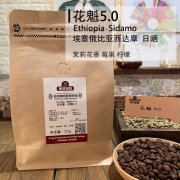
Characteristics of growing Environment of Coffee Bean Mountain Spring processing method Sidamo Fakui Coffee in Ethiopia
The area is more than 2000 meters above sea level. Few plantations are located at this altitude, which is why this naturally processed coffee has a rich fruity flavor and a sweet return of sugar. Humbera in Qianjie is from Shanquan treatment plant.

Introduction of anaerobic fermentation Coffee Bean Flavor Coffee washing Station of Ethiopian native species WushWush
Wush Wush, which originated in the small town of Wush Wush in the Ethiopia-Cafa Forest, was introduced to a small boutique coffee farm in Colombia 30 years ago. Wush Wush, like Geisha, is a native species from Ethiopia. The difference is that Wush Wush did not shine until it was brought to Colombia, with a flavor and level no less than that of high-end geisha Coffee.

What is the wild heirloom coffee bean in Arabica, the main coffee bean growing area in Ethiopia?
Although Ethiopia is famous as the birthplace of coffee, it is still the darling of the boutique coffee world because of its incredible flavors. It is admittedly difficult to have full traceability in recent history, when new regulations made direct procurement possible. When did Ethiopia start growing coffee? Coffee is very old in Ethiopia, but coffee cultivation is not. To 9

The technological process of Humbera coffee beans recommended by Shanquan treatment plant in Esseguji production area
The quality of Qianjie Humbera coffee beans has always been very excellent. The boutique coffee was harvested near the city of Hambella in the Guji region of Ethiopia. The area is more than 2000 meters above sea level. Few plantations are located at this altitude, which is why this naturally processed coffee has a rich fruity flavor and a sweet return of sugar. Humbera in Qianjie is from Shanquan treatment plant.
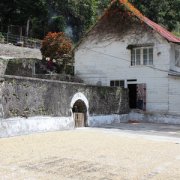
Story of Rwanda Coffee processing Plant Flavor characteristics of Boutique Coffee growing Environment in Gesak, Rwanda
Two days ago, Rwandan coffee beans were found in Qianjie, not from any manor but from Gesak washing processing station. Very interested in this phenomenon, is it like Kenyan coffee that small coffee farmers send their coffee to the washing station? After checking the data, we found that this is indeed the case. Many coffee farmers in Rwanda are unable to create as many large coffee farms as large coffee farms around the world.
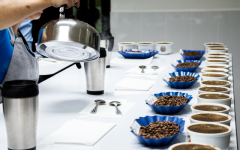
World's best Rwandan coffee beans Growing conditions Double washed coffee beans Flavor Taste characteristics
Despite being one of the top 30 coffee producing countries in the world, you know very little about Rwandan coffee. They are relatively new to the fine coffee space and have had to overcome some major setbacks. Nevertheless, the geographical climatic conditions of this beautiful country are perfect for growing quality coffee beans. Go into Rwandan coffee, just like the country it comes from, with its depth and complexity.
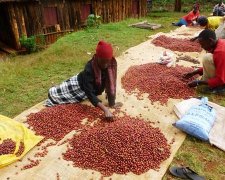
Coffee origin affects the taste of boutique coffee beans. Rwanda single coffee brands recommend climate-friendly.
The origin of coffee has a great influence on the taste of coffee beans. The quality of the soil, the altitude, and even the rainfall in an area determine what kind of coffee can be grown there and the taste of the coffee produced. Coffee producing areas are often classified as mainland-based categories, which is a good start. South American coffee tastes different from African coffee, while Indonesian coffee tastes like

History of coffee production and cultivation in Rwanda Coffee hometown people's Security of the Coffee Market in Rwanda
The history of coffee cultivation in Rwanda is very tortuous. In 1904, German missionaries introduced coffee to Rwanda. Exploited by Belgian colonists, coffee grew slowly and peaked in the 1930s. During this period, mainly large quantities, low-grade coffee production. The instability of colonial rule led to the Rwandan genocide in 1994. In a period of 100 days

Characteristics and Story of Export Coffee with Fair Trade Certification of characteristic Coffee Brand Cooperative in Rwanda
RWASHOSCCO Rwanda Little holder Specialty Coffee is a farmer-owned company focusing on the marketing, export and roasting of the best quality coffee beans in Rwanda. RWASHOSCCO is a farmer-owned marketing, export and baking company. RWASHOSCCO was founded in 2005, when the PEARL/USAID project was coming to an end. The idea comes from Timothy Schilling.
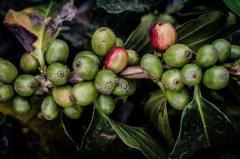
History of coffee in Rwanda, one of the largest coffee growers in the world. Introduction to small coffee farms.
Rwandan coffee has both a colorful history and an exciting taste. It is a rare and excellent coffee producing area. But it is true that the history of coffee in Rwanda is not as long as we think, and the historical development of coffee in Rwanda can even be described as twists and turns. The first coffee plants arrived in Rwanda as late as the early 20th century, but 30 years later, Rwandan coffee

Processing method of coffee beans in Rwanda Coffee washing station hand-classified coffee cherry processing steps
Throughout Rwanda, coffee beans are usually processed by wet processing. This is largely due to the efforts of modern people to invest time, energy and resources to develop public cleaning stations for the countless traces of coffee and cherries that need to be processed each year. Many of the small farms involved in the business are unable to create large independent washing stations like large coffee farms around the world. This is because most farmers

Rwanda coffee beans introduction bourbon gene mutation coffee beans history story flavor taste characteristics description
Rwandan coffee plays an important role in the country's economy, contributing significantly to foreign exchange earnings and monetization of the rural economy. About 95% of Rwanda's coffee plants are high-quality Arabica varieties of bourbon coffee. Relatively small numbers of Catuai and Caturra varieties are also planted. The types of coffee beans grown in Rwanda include Caturra, Catuai, Bourbon (Arab

Introduction of Fairtrade Fine Coffee Bean Flavor growth characteristics in five Coffee producing areas of Rwanda
Overall, coffee from Rwanda is more rated than coffee from neighboring Zimbabwe and Zambia, but it has not yet been recognized by coffee from Kenya and Tanzania. Rwanda also produces Fairtrade coffee beans. There are several high-altitude Rwanda from Rwanda on the front street, which is suitable for growing boutique coffee. The main coffee-growing areas have volcanic soil rich in nitrogen. Major coffee growing areas

What is a microbatch of coffee? Description of characteristics, flavor and taste of Rwanda micro-batch boutique coffee beans
If you go to some cafes, you should often hear about micro-batches. So what are the micro-batches in boutique coffee? Over time, many terms have been created and adapted to meet the needs and expectations of the boutique coffee industry. One of these terms is microbatches, which are used by many members of the coffee industry to refer to small, exclusive and traceable coffee batches. However, for

Introduction to Noodle Manor Honey Coffee Flavor musician Series Mozart H1 Bean species in Costa Rica
Costa Rica is famous for its charming national parks, rainforests, beaches, volcanoes and delicious coffee. Take a sip of Costa Rican coffee and you will be immersed in the delicacy. Due to ideal growth conditions, including fertile soil, high altitude, cool climate and fresh water, coffee began to grow in Costa Rica sometime in the 1700s. There are eight coffee producing areas.